Main Courses
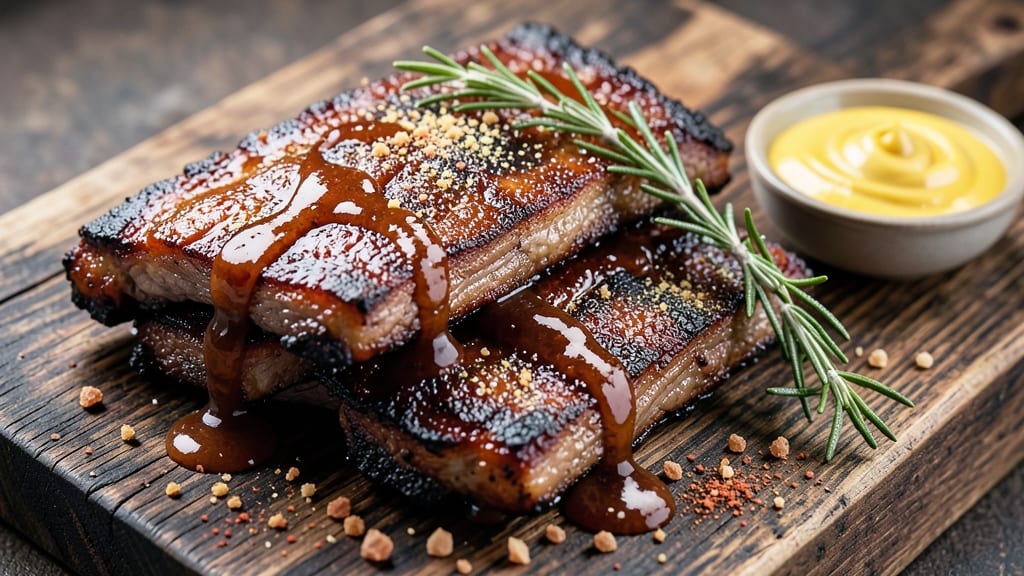
This barbecue beef spare ribs recipe delivers fall-off-the-bone tenderness with a smoky bark that’ll have your neighbors asking for seconds. 🔥 I perfected this method after years of experimenting with different rubs and cooking techniques—balancing heat, time, and moisture to create ribs that practically melt in your mouth.
The key? A slow, controlled cook that transforms tough cuts into something so tender, even the most skeptical eaters will be hooked.
What sets this recipe apart is the three-stage cooking process: starting with a dry rub that forms a flavorful crust, then moving to a smoker or oven where the ribs cook low and slow for hours, and finally basting with a homemade apple-cider vinegar glaze that adds shine and depth.
I’ve tested this method countless times—whether using a smoker, oven, or even a grill with indirect heat—and it never fails to deliver restaurant-quality results at home.
The result is ribs with caramelized edges, tender meat that pulls away from the bone, and a sauce that’s sticky-sweet with just the right amount of tang. The aroma alone will draw everyone to the table, and the first bite?
That’s when they’ll know they’re in for something special. This isn’t just a recipe—it’s an experience that turns a simple meal into a showstopper.
Serve with classic sides like creamy coleslaw or smoky baked beans to round out the meal. The ribs are rich enough to stand alone, but the right accompaniments elevate them to another level. Ready to master the art of barbecue? Let’s get started.
Ingredients for barbecue beef spare ribs
Four pounds of meaty ribs plus a dry rub that transforms tough cuts into restaurant-quality tenderness.
| Ingredient | Amount | Notes |
|---|---|---|
| Beef Spare Ribs 🥩 | 4 lb | Bone-in, meaty cuts preferred |
| Yellow Mustard 🍯 | ¼ cup | For initial binder layer |
| Brown Sugar 🍚 | ½ cup | Packed, light brown preferred |
| Smoked Paprika 🌶️ | 2 tbsp | For deep smoky flavor |
| Chili Powder 🌶️ | 1 ½ tbsp | Medium heat preferred |
| Garlic Powder 🧄 | 1 tbsp | Freshly ground for best flavor |
| Onion Powder 🧅 | 1 tbsp | For balanced sweetness |
| Ground Black Pepper 🌶️ | 1 tsp | Freshly cracked preferred |
| Diamond Crystal Kosher Salt 🧂 | 1 ½ tsp | Adjusts to taste |
| Apple Cider Vinegar 🍎 | ½ cup | Unfiltered for depth |
| Honey 🍯 | ¼ cup | Wildflower preferred |
| Yellow Onion 🧅 | 1 whole | Thinly sliced for glaze |
| Fresh Garlic Cloves 🧄 | 4 cloves | Minced for glaze |
| Wood Chips 🌳 | 2 cups | Hickory or cherry preferred |
| Wood Pellets 🔥 | 1 package | For smoker consistency |
The ribs are the foundation, and meaty, bone-in spare ribs are non-negotiable—look for cuts with good marbling and minimal fat trimming. Costco or local butcher shops often carry the best quality, but any grocery store's meat counter will have suitable options. For the rub, Penzeys or local spice shops offer premium smoked paprika and chili powder, but the grocery store brands work fine if they're fresh. The key is freshness: if your spices smell stale, toss them. The yellow mustard acts as a binder, so grab the Dijon-style variety for extra depth. Wood chips are crucial for authentic smoky flavor—hickory or cherry are classic choices, but fruitwoods like apple add subtle sweetness.
No smoked paprika? Regular paprika plus a pinch of liquid smoke gets you close. Substituting brown sugar? White sugar plus a splash of molasses maintains moisture. For the glaze, if you can't find unfiltered apple cider vinegar, white vinegar plus a teaspoon of lemon juice works. The onions and garlic in the glaze can be sautéed in a bit of olive oil to deepen their flavor. For wood chips, if you don't have a smoker, soak chips in water for 30 minutes before using on a grill or in a foil packet in the oven. The wood pellets are optional but ensure consistent smoke flavor—Traeger or Green Mountain brands are reliable choices.
Store dry rub ingredients in airtight containers away from light for up to 6 months. Fresh ribs can be prepped a day ahead and refrigerated, wrapped tightly in plastic. The glaze components keep for 2 weeks in the fridge. For leftovers, ribs reheat beautifully in the oven at 275°F for 15-20 minutes, covered with foil. Portion into containers for meal prep—these ribs reheat even better the second time around. The wood chips can be reused once dried out, but fresh batches yield the best smoke flavor.
Why You'll Love This Recipe
- Sweet Heat Magic: I’ll be real—this combo of brown sugar and chili powder on the ribs? It’s the kind of balance that makes you lick the plate. The smoky paprika ties it all together like a hug from a grill master.
- One-Pan Wonder: Honestly, I’ve never met a spare rib recipe this unfussy. You slather on the mustard mix, pop it in the oven, and walk away. No flipping, no basting—just set it and forget it until the aroma wakes you up.
- Tailgate to Tuesday: Between us, these ribs work for everything. Game day? Check. Lazy Sunday? Done. Even my picky teen devours them straight from the fridge. The sauce clings so well, they reheat like they’re fresh off the smoker.
- Budget Bulk: I buy ribs in bulk, slow-cook a big batch, and freeze them—no waste, all flavor. A pound of beef ribs feeds four for dinner, then two more for leftovers. That’s $15 worth of pure satisfaction for a week.
Step-by-step instructions for smoky beef spare ribs
Master the low-and-slow technique for ribs that fall apart with minimal effort.
🔥 Step 1: Prepare the Ribs with Mustard and Dry Rub
Start by removing the membrane from the bone side of the beef spare ribs. Slide a butter knife under the membrane and pry it loose—it should peel away easily. Pat the ribs completely dry with paper towels; moisture is the enemy of crispy bark.
In a small bowl, combine the 0.25 cup yellow mustard, 0.5 cup brown sugar, 2 tbsp smoked paprika, 1.5 tbsp chili powder, 1 tbsp garlic powder, 1 tbsp onion powder, 1 tsp ground black pepper, and 1.5 tsp Diamond Crystal kosher salt. Mix until the dry ingredients are evenly distributed. Spread a thin layer of the mustard mixture on both sides of each rib—this creates a sticky binder for the rub to adhere.
Press the dry rub firmly into the ribs, coating every surface. The mustard helps the rub stick and prevents it from falling off during the long cook. Let the ribs sit at room temperature for 30 minutes before smoking to ensure even cooking.
🔥 Step 2: Set Up the Smoker for Low-and-Slow Cooking
Fill your smoker with the 2 cups wood chips (hickory or cherry preferred) and add the 1 package wood pellets to maintain consistent temperature. Preheat the smoker to 225°F—this low temperature is crucial for tenderizing the connective tissue without drying out the meat.
Place the ribs bone-side down on the smoker grates. The bone side should face down to protect the meatier side from direct heat. Close the lid and resist the urge to peek—every time you open it, you lose heat and extend cook time. Let the ribs smoke undisturbed for 2-3 hours until the internal temperature reaches 165°F, or they hit "the stall."
Here's the thing—when the ribs stall, the temperature stops rising as moisture evaporates. This is normal, but it's also the moment you need to act. Wrap the ribs tightly in butcher paper (not foil) to push through the stall while preserving that beautiful bark.
⏰ Step 3: Wrap and Finish for Maximum Tenderness
Once the ribs hit 165°F and show signs of stalling, remove them from the smoker and wrap them snugly in butcher paper. The paper allows the ribs to breathe while retaining moisture—unlike foil, which can steam the meat. Return the wrapped ribs to the smoker and continue cooking until the internal temperature reaches 203°F and the meat is fork-tender.
This final stage typically takes another 2-3 hours, depending on your smoker's consistency. The ribs are done when a probe slides in like butter with no resistance. Let them rest on the smoker for 15-20 minutes before serving—this resting period ensures juices redistribute for maximum tenderness.
🍳 Step 4: Prepare the Glaze and Finish
While the ribs rest, prepare the glaze by combining the 0.5 cup apple cider vinegar, 0.25 cup honey, 1 whole yellow onion (thinly sliced), and 4 cloves fresh garlic (minced) in a small saucepan. Simmer over medium heat for 10-12 minutes until the mixture thickens slightly and the onions soften. Strain the glaze through a fine-mesh sieve to remove the solids, reserving the liquid.
Brush the glaze generously over the ribs just before serving. The acidity in the vinegar cuts through the richness of the meat, while the honey adds a touch of sweetness that balances the smoky flavors. Serve the ribs immediately, slicing between the bones for easy handling.
🍽️ Step 5: Serve with Confidence
The ribs should have a deep mahogany bark on the outside and a pink, tender interior. Each slice should pull apart effortlessly, with juices flowing freely. Serve with the reserved glaze drizzled over the top and a side of pickled vegetables or coleslaw to cut through the richness.
Here's the payoff—every bite delivers a perfect balance of smoky, spicy, and sweet flavors with melt-in-your-mouth tenderness. The key to success lies in patience and precision: maintaining the right temperature, wrapping at the stall, and finishing with the glaze at the right moment.
Pro Tips For Making Barbecue Beef Spare Ribs
- Trim the Fat First: Beef spare ribs have a thick layer of fat on the bone side—scrape it off before cooking. I learned this the hard way when my ribs ended up greasy instead of crispy, and it makes a real difference in how the sauce clings and the crust forms.
- Start with a Hot Smoker: Crank your smoker to 275°F (135°C) for the first hour, even if you’re impatient. After burning three batches where the ribs took forever to tenderize, I finally realized high heat at the start speeds up the collagen breakdown without drying them out.
- Mix Mustard into the Rub: Skip the separate mustard glaze—fold 1-2 tablespoons of yellow mustard into your dry rub (brown sugar, smoked paprika, chili powder) before applying. It sticks better to the ribs and adds tang without extra basting.
- Wrap in Foil at 195°F: When the ribs hit 195°F (90°C) internally, wrap them tightly in foil with a splash of apple cider vinegar. This isn’t the prettiest method, but it guarantees tender meat without overcooking—your future self will thank you.
Dietary considerations for barbecue beef spare ribs
Gluten-Free Adaptations
The original recipe uses a dry rub with brown sugar and spices—naturally gluten-free! However, the yellow mustard binder sometimes contains hidden gluten. I always check labels and swap in gluten-free Dijon mustard like Annie's or Maille to ensure safety.
The rest of the ingredients remain unchanged, so you get the same smoky, tender results without gluten worries. 🌾
Low-Carb Options
For a lower-carb version, reduce the brown sugar to 2 tbsp and replace the rest with 2 tbsp erythritol or monk fruit sweetener. The ribs still develop a flavorful bark, just with fewer carbs.
Skip the honey glaze and use a sugar-free apple cider vinegar reduction with a splash of stevia for sweetness. This keeps the dish rich and satisfying while cutting carbs significantly.
Dairy-Free Considerations
This recipe is already dairy-free, but if you're avoiding all animal products, check your mustard for dairy additives. I recommend Vegan mustard from brands like Melt or Primal Kitchen.
The glaze remains dairy-free as long as you use plant-based honey (like Manuka honey, which is vegan) or a maple syrup substitute. The ribs stay just as tender and flavorful!
Allergen-Friendly Swaps
For nut allergies, ensure your wood chips (like hickory or cherry) are processed in nut-free facilities. If you're sensitive to garlic or onions, omit them from the glaze and boost flavor with extra smoked paprika or a dash of liquid smoke.
For soy allergies, avoid soy-based mustards—stick to mustard made from seeds only. Always double-check labels to keep your meal safe and delicious. 💛
Protein-Packed Boost
Want extra protein? Add a 1 tbsp nutritional yeast to the dry rub for a cheesy, umami depth without dairy. For a high-protein glaze, blend 2 tbsp Greek yogurt (or coconut yogurt for dairy-free) with the apple cider vinegar and honey.
This keeps the ribs moist and adds a creamy contrast to the smoky bark. Perfect for meal prep or post-workout feasts!
Nutrition facts
Frequently asked questions
Why do you recommend wrapping ribs in butcher paper instead of foil?
Butcher paper lets the ribs breathe while trapping moisture—unlike foil, which can steam the meat and soften that beautiful bark. The paper allows heat and smoke to penetrate while keeping the surface crispy. Think of it as a happy medium between foil's moisture trap and foil's bark-killer effect.
Can I cook these ribs on a grill instead of a smoker?
Use indirect heat on your grill with wood chips in a foil pouch. Maintain 225°F by adjusting vents and rotate the ribs every 45 minutes. The stall and wrapping process stays the same—just monitor temperature closely since grills fluctuate more than smokers.
What's the deal with "the stall" and when should I wrap?
"The stall" happens around 165°F when moisture evaporates and temp stops rising. This is normal! Wrap immediately when you see temps plateau for 30+ minutes. The butcher paper keeps moisture in while letting smoke penetrate, pushing through the stall to 203°F for perfect tenderness.
How do I know when the ribs are fully cooked?
Use a meat thermometer—203°F at the thickest part is your target. The meat should pull away from the bone like butter when probed gently. If it's not quite there, return to the smoker wrapped and check again in 30 minutes. Never rely on time alone—temperature is your best friend here.
Can I make the glaze ahead of time?
Yes! Prepare the glaze 1 day ahead and store in the fridge. Reheat gently before brushing on ribs—just warm it in a small saucepan over low heat for 5-7 minutes until smooth. The flavors actually improve overnight as the vinegar and honey meld together.