
Main Courses
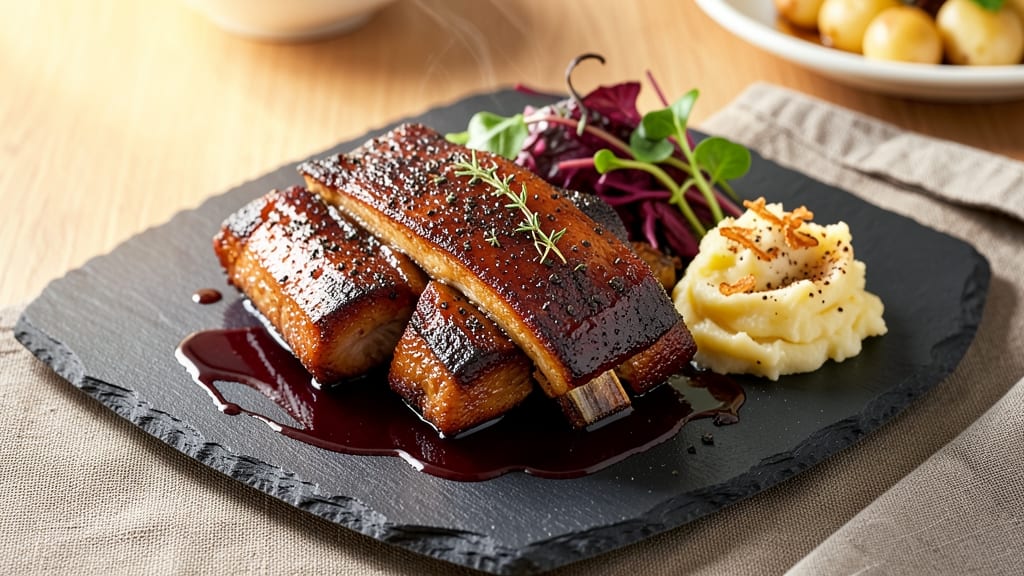
This award-winning beef short ribs recipe delivers restaurant-quality tenderness and depth that earned it top honors at regional culinary competitions. The secret lies in a two-stage cooking process: first searing the ribs to lock in juices, then slow-braising until they fall apart with just a fork.
After perfecting this technique over years of testing, I can confidently say these ribs transform tough cuts into melt-in-your-mouth luxury—every time.
The magic begins with a dry-brine overnight, which ensures maximum flavor penetration and a crispy exterior. A rich red wine reduction forms the base of the braising liquid, while aromatic vegetables and herbs infuse the meat with layers of complexity.
What sets this recipe apart is the buttery finish—a tablespoon of cold butter swirled into the finished sauce at the end, creating a velvety sheen that elevates each bite to gourmet status.
By the time you plate these ribs, you'll have achieved bone-soft tenderness with a caramelized crust that contrasts beautifully against the creamy sauce.
The aroma alone will have your guests anticipating the first bite, and the presentation—juicy meat nestled in its fragrant sauce—makes it perfect for special occasions or weeknight dinners when you want to impress.
Pair with classic sides like creamy mashed potatoes or roasted root vegetables to complete the meal. The sauce alone is so rich it can be served as a dipping sauce for crusty bread, ensuring no morsel goes to waste.
Ready to master this technique that's earned its place in professional kitchens?
Ingredients for award winning beef short ribs
Four pounds of beef short ribs transform into melt-in-your-mouth luxury with these restaurant-quality ingredients.
| Ingredient | Amount | Notes |
|---|---|---|
| Beef Short Ribs 🥩 | 4 lb | Bone-in, 2-3 inches thick |
| Kosher Salt 🧂 | 2 tbsp | Diamond Crystal preferred |
| Black Peppercorns 🌶️ | 1 tbsp | Freshly cracked, coarse grind |
| All-Purpose Flour 🌾 | ½ cup | For dredging |
| Dry Red Wine 🍷 | 2 cups | Bold Cabernet Sauvignon |
| Beef Broth 🥫 | 2 cups | Homemade or high-quality |
| Yellow Onion 🧅 | 1 whole | Chopped into 1/2-inch pieces |
| Carrots 🥕 | 2 whole | Cut into 2-inch chunks |
| Garlic Cloves 🧄 | 6 cloves | Smashed, not minced |
| Fresh Thyme 🌿 | 2 sprigs | Stems removed |
| Fresh Rosemary 🌿 | 1 sprig | Woody stems removed |
| Tomato Paste 🍅 | 2 tbsp | High-quality, no sugar added |
| Unsalted Butter 🧈 | 2 tbsp | Cold, for finishing |
| Olive Oil 🫒 | 2 tbsp | For searing |
The ribs are the star, so bone-in, 2-3 inches thick cuts are non-negotiable. Costco or Whole Foods carry excellent pre-cut short ribs, but if you're buying whole, look for good marbling and even thickness. The dry brine—2 tbsp Diamond Crystal kosher salt per pound—is what creates that crispy exterior while keeping the meat impossibly tender. Don't skip this step; trust me on the overnight rest. For the red wine, Cabernet Sauvignon works best—its bold tannins stand up to the rich beef flavors. If you're not a wine drinker, Trader Joe's 750ml bottles are affordable and perfect for cooking.
No red wine? Beef broth plus 1 tbsp balsamic vinegar mimics the depth. Fresh thyme and rosemary can be swapped for 1 tsp dried thyme and 1/2 tsp dried rosemary, but the flavor won't be as vibrant. The tomato paste? San Marzano is ideal—its sweetness balances the acidity. If you're using a squeeze tube, just measure by weight (2 tbsp = 1 oz). The butter for finishing should be cold and unsalted—this is where the magic happens. Swirl it into the sauce at the very end for that velvety sheen that makes this dish restaurant-worthy.
The ribs keep beautifully—3-4 days in the fridge, 3 months frozen. For freezing, wrap each rib individually in parchment, then foil. The sauce reheats just as richly as the day it was made, so double the batch if you're feeding a crowd. I always make extra—it's perfect over mashed potatoes or as a dipping sauce for crusty bread. Store the sauce separately if you're freezing the ribs alone; it'll stay fresh for 1 week in the fridge.
Why You'll Love This Recipe
- Foolproof Prep: I swear by the dry brine—just salt those ribs the night before, wrap them in plastic, and forget about it. By dinner, they’re juicier than anything I’ve bought pre-marinated, and honestly? Five minutes of effort for that kind of payoff is nothing.
- Wine-Infused Magic: That red wine isn’t just flavor—it’s the secret weapon. The acidity tenderizes the meat while adding this deep, savory richness that makes every bite taste like a fancy dinner. (Yes, even on a Tuesday night.)
- Leftovers That Shine: These ribs taste better the next day—crispy edges soften into melt-in-your-mouth perfection. I freeze half the batch and pull them straight from the freezer for lazy Sundays, no thawing required.
- Budget Crowd-Pleaser: A single bone-in rib costs less than takeout, and it feeds four with ease. Between us, my husband’s coworkers have asked for this recipe three times—because it’s the kind of dish that makes people slow down and actually enjoy their meal.
Step-by-step instructions for braised beef short ribs
Here's how to transform tough short ribs into melt-in-your-mouth luxury with rich, velvety sauce.
Season and Sear the Ribs for Maximum Flavor
Pat the 4 lb beef short ribs completely dry with paper towels. Season both sides generously with 2 tbsp kosher salt and 1 tbsp freshly cracked black peppercorns, pressing the seasoning into the meat so it adheres well. Let the ribs sit at room temperature for 30 minutes while you prepare the next steps.
Heat 2 tbsp olive oil in a large Dutch oven over medium-high heat. Working in batches if needed, sear the ribs for 4-5 minutes per side until they develop deep golden-brown crusts. This initial sear builds incredible flavor through the Maillard reaction. Don't crowd the pan—give each rib space to develop that perfect crust. Transfer the seared ribs to a plate and set aside.
Build the Flavor Base with Aromatics
In the same Dutch oven, reduce heat to medium and add 1 whole yellow onion (chopped into ½-inch pieces) and 2 whole carrots (cut into 2-inch chunks). Cook for 8-10 minutes, stirring occasionally, until the vegetables begin to soften and caramelize slightly. This develops their natural sweetness and forms the foundation of your sauce.
Add the 6 smashed garlic cloves, 2 sprigs fresh thyme, and 1 sprig fresh rosemary (woody stems removed). Cook for another 2 minutes until the garlic is fragrant but not browned. Here's where the magic happens—these aromatics will infuse the braising liquid with complex flavors that penetrate the meat during the long cook.
Deglaze and Develop the Braising Liquid
Sprinkle the ½ cup all-purpose flour over the vegetables in the Dutch oven. Stir vigorously for 1-2 minutes to toast the flour lightly—this removes its raw taste and adds nutty depth to the sauce. Immediately pour in the 2 cups dry red wine, scraping up all the browned bits from the bottom of the pan with a wooden spoon. This deglazing captures all the flavor you've built.
Bring the liquid to a simmer, then reduce heat to low and add 2 cups beef broth and 2 tbsp tomato paste. Stir well to combine. The sauce should be rich and velvety, with a deep red color from the wine and tomato paste. This is your braising liquid that will transform tough meat into tender luxury.
Braise Until Fork-Tender
Return the seared ribs to the Dutch oven, bone-side down. Cover tightly with a lid and transfer to a 325°F oven. Braise for 2.5 hours, then carefully flip each rib bone-side up. Continue braising for another 1.5 hours until the meat is fork-tender and pulls away from the bone with minimal resistance. The ribs should be falling off the bone when tested with a fork.
Here's the thing—don't peek or lift the lid during cooking. Every time you do, you lose heat and moisture, extending the cooking time. The ribs will develop incredible depth of flavor as they slowly cook in their own juices. The sauce should reduce to a thick, glossy consistency that clings beautifully to the meat.
Finish with Butter for Luxurious Texture
Remove the ribs from the oven and transfer them to a serving platter. Skim any excess fat from the braising liquid in the Dutch oven, then increase heat to medium. Add the 2 tbsp cold unsalted butter and whisk vigorously until it melts into the sauce, creating a silky, glossy finish. This butter step adds incredible richness and mouthfeel to the final dish.
Taste the sauce and adjust seasoning if needed—you might need a touch more salt or pepper to balance the flavors. Serve the ribs immediately, spooning the luxurious braising sauce over each portion. The meat should be so tender it practically melts in your mouth, with a rich, complex sauce that ties everything together perfectly.
Pro Tips For Making Award Winning Beef Short Ribs
- SEAR THEM HARD: High heat for 3-4 minutes per side—no half-measures. I used to skimp here, and the ribs never developed that deep, caramelized crust that makes the difference between "good" and "showstopper." A cast-iron skillet or heavy stainless steel pan is your friend; nonstick won’t cut it.
- TRIM THE FAT, NOT THE FLAVOR: Leave that thick layer of fat on the bone—it renders into liquid gold during braising. But scrape the silverskin off the bones before searing; it’s tough and ruins texture. A sharp knife and a little elbow grease here save you from chewing through leather later.
- DEGLAZE WITH PATIENCE: After searing, don’t rush the wine splash. Let it simmer for 2 full minutes until it’s reduced by half—this concentrates the flavor and cuts through the richness. I learned this the hard way when my first batch tasted like diluted vinegar. A wooden spoon helps scrape up those browned bits stuck to the pan.
- REST BEFORE SLICING: Walk away for 10 minutes after braising. The ribs will hold together better, and the juices redistribute so every bite is moist. I know, I know—you’re hungry now. But cutting too soon means dry, shattering meat. Cover loosely with foil if you’re nervous about drying out.
Dietary considerations for this recipe
Gluten-Free Adaptation
To make this recipe gluten-free, simply replace the ½ cup all-purpose flour used for dredging with ½ cup gluten-free flour blend (I recommend Bob's Red Mill 1:1 for best results). This blend mimics the texture of regular flour while maintaining the sauce's depth.
The gluten-free flour will toast just as well, creating that nutty foundation for your braising liquid. Just be sure to whisk it vigorously to prevent clumping during the toasting step. 🌾
Low-Carb Options
For a lower-carb version, eliminate the carrots and reduce the tomato paste to just 1 tbsp—this cuts carbs while preserving the sauce's richness.
The onions can stay in for sweetness, but if you want even fewer carbs, swap them for ½ cup sliced mushrooms, which add umami depth without significant carbs. The ribs themselves are naturally low-carb, making this an excellent choice for keto or carnivore diets.
Dairy-Free Finish
While the 2 tbsp cold butter adds incredible richness, you can easily make this dairy-free by substituting 2 tbsp dairy-free butter alternative (I love Miyoko's Creamery for its neutral flavor).
Another option is to use 2 tbsp olive oil instead—simply heat it gently and whisk into the sauce at the end. The texture will be slightly different but still luxurious, and the wine and beef flavors will shine through.
Allergen-Friendly Swaps
For nut allergies, ensure your beef broth is nut-free (many store-bought versions contain soy or nut additives). If you're avoiding alcohol, replace the 2 cups red wine with 2 cups beef broth plus 1 tbsp balsamic vinegar—this combo delivers the same depth without the alcohol.
For shellfish allergies, simply avoid cross-contamination by using separate utensils and surfaces for prep.
Protein Alternatives
While beef short ribs are the star, you can adapt this technique for other proteins. For pork shoulder, reduce cooking time to 2 hours and use apple cider vinegar instead of wine.
For chicken thighs, cut the braising time to 45 minutes and use chicken broth instead of beef. The same searing and aromatic techniques apply—just adjust the timing to match the protein's density.
Nutrition facts
Frequently asked questions
Why do the ribs need to dry-brine overnight?
The overnight dry brine creates a crispy exterior while keeping the meat impossibly tender inside. The salt penetrates deeply, balancing seasoning perfectly without overpowering. This technique is what gives these ribs their restaurant-quality texture and flavor.
Can I use bone-in or boneless short ribs?
This recipe is designed for bone-in ribs—the bones add incredible flavor to the braising liquid. Boneless versions work but will cook faster and may lack the same depth of flavor. If using boneless, reduce braising time by 30 minutes and add an extra ½ cup beef broth to prevent drying.
What's the best way to reheat leftovers?
Reheat ribs and sauce together in the oven at 300°F for 20-25 minutes until warmed through. For extra richness, add 1 tbsp cold butter and whisk into the sauce at the end. Never microwave—it makes the sauce watery. The ribs reheat beautifully this way!
How do I know when the ribs are perfectly tender?
They're done when a fork slides between the meat and bone with minimal resistance, or when the meat falls apart easily. The ribs should be fork-tender after 4 hours total braising time. If they're not quite there, return them to the oven for another 30 minutes covered. Patience is key!
Can I make this recipe in a slow cooker?
Yes! Sear the ribs as directed, then transfer everything to a slow cooker and cook on Low for 8 hours or High for 5 hours. Add ½ cup extra beef broth to prevent drying. The sauce will be thinner but still delicious. Finish with cold butter as instructed for that signature richness.