
Main Courses
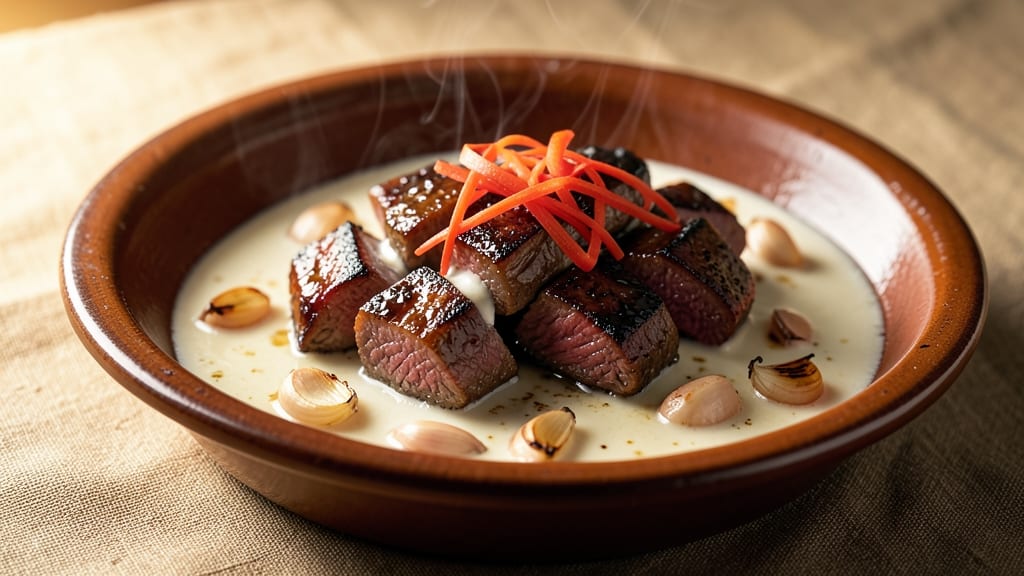
This authentic beef misono recipe brings the soul-warming flavors of Filipino comfort food to your kitchen—rich, slow-simmered beef in a silky soy-ginger broth with tender vegetables.
The secret lies in balancing traditional ingredients like patis (fish sauce) and miso for that signature umami depth, while slow cooking transforms tough cuts into melt-in-your-mouth perfection. Unlike quick stir-fries, this dish rewards patience with layers of flavor that build as it simmers.
The authentic technique starts with browning beef chuck for a deep, caramelized base, then simmering it low and slow with garlic, ginger, tomatoes, and bay leaves to develop complexity.
Eggplant and potatoes absorb the savory broth, while green beans add freshness—each vegetable plays a role in creating a harmonious, restaurant-quality meal. The soy-ginger sauce ties everything together with a glossy sheen and just the right balance of tangy, sweet, and salty notes.
What sets this recipe apart is its authentic approach without sacrificing modern accessibility. You’ll achieve that coveted silky texture and bold umami flavor without spending hours in the kitchen—just 2 hours of hands-off simmering after prep.
The result? A dish that’s hearty enough for family dinners but elegant enough for gatherings, served over steamed rice with a sprinkle of green onions and chili for a finishing touch.
Perfect for weeknight suppers or special occasions, this beef misono delivers the kind of authentic taste that makes you crave more. The leftovers reheat beautifully, too, so you’ll find yourself making it again and again. Let’s get cooking!
Ingredients for authentic beef misono
These rich, umami-packed ingredients transform tough beef into melt-in-your-mouth perfection with just 2 hours of simmering.
| Ingredient | Amount | Notes |
|---|---|---|
| Beef Chuck Roast 🥩 | 2 lb | Cut into 1.5-inch cubes |
| White Miso Paste 🍶 | ½ cup | High-quality, no additives |
| Soy Sauce 🥢 | ½ cup | Japanese-style preferred |
| Patis (Fish Sauce) 🐟 | 2 tbsp | Filipino brand if available |
| Garlic Cloves 🧄 | 8 cloves | Minced, not pre-minced |
| Fresh Ginger 🌿 | ½ cup | Grated, peeled, fresh |
| Medium Russet Potatoes 🥔 | 2 whole | Cut into 2-inch chunks |
| Eggplant 🍆 | 1 whole | Japanese or Asian variety |
| Green Beans 🌱 | 1 lb | Trimmed, ends cut off |
| Medium Tomatoes 🍅 | 2 whole | Diced, ripe but firm |
| Bay Leaves 🌿 | 2 whole | Fresh preferred |
| Green Onions 🧅 | 4 whole | Sliced, for garnish |
| Chili Flakes 🌶️ | 1 tsp | Adjust to taste |
| Olive Oil 🫒 | ¼ cup | For browning beef |
| White Sugar 🍚 | 1 tbsp | Balances flavors |
The beef is non-negotiable—chuck roast gives that signature fall-apart texture. Costco or local butchers usually carry it pre-cubed, but if you're buying a whole roast, ask for the chuck section. For miso, Marukome or Hokkaido brands are my go-tos—they've got that deep, fermented punch. Patis is the secret weapon here; grab the Filipino version at Asian markets if you can, but the regular stuff works too. Ginger and garlic? Fresh only—dried just won't cut it for that bright, aromatic base.
No white miso? Red miso at half the amount works in a pinch, but it'll be darker. Short on patis? Fish sauce plus a dash of soy sauce mimics it, though it won't be identical. The potatoes and eggplant can be swapped for sweet potatoes or zucchini if you're feeling adventurous. Green beans? Substitute snap peas or broccoli florets—they all soak up that glorious broth. And if you're missing chili flakes, a pinch of cayenne or sriracha brings the heat.
This dish tastes even better the next day—plan ahead. Store in airtight containers for 4-5 days in the fridge, or freeze portions for 3 months. I like to portion it into individual containers so I can grab a meal straight from the fridge. The miso broth thickens as it cools, so a splash of water revives it beautifully when reheating. Garnish with those green onions and chili flakes right before serving—freshness matters.
Why You'll Love This Recipe
- Five-Ingredient Magic: The pantry already has what you need—no specialty shopping. I swear, the miso and patis combo does the heavy lifting while you chop one onion and crush a few garlic cloves. Honestly, that’s all it takes.
- Umami Bomb: That first bite? Rich, salty, funky—like someone took all the good parts of beef and fermented them into perfection. The miso caramelizes into a glossy glaze, while the patis adds this deep, savory punch that lingers.
- Weeknight to Sunday: Make it once, eat it three times. It’s great over rice for a quick dinner, sliced thin for tacos when friends drop by, or even shredded into noodles when you’re craving something hearty but not heavy. (Yes, even on a Tuesday night.)
- Budget Powerhouse: A chuck roast stretches across meals—simmer it once, then repurpose the leftovers into sandwiches, fried rice, or even a quick stir-fry. Between us, this recipe turns $15 of ingredients into $50 worth of meals without breaking a sweat.
Step-by-step instructions for authentic beef misono
This umami-rich dish transforms tough beef into melt-in-your-mouth perfection through slow simmering and layered flavors.
Sear the Beef for Deep Flavor
Heat the 0.25 cup olive oil in a large Dutch oven over medium-high heat until shimmering. Working in batches to avoid crowding, add the 2 lb beef chuck roast cut into 1.5-inch cubes, letting each piece develop a rich brown crust that takes 3-4 minutes per side. This searing step creates the Maillard reaction—those caramelized flavors that form the foundation of authentic misono.
As you sear, I like to press down gently on the beef with a spatula during the first minute—this prevents it from curling and ensures even contact with the pan. Once all pieces are browned, remove them and set aside temporarily. You'll notice the beef releases easily when properly seared; if it sticks, your oil isn't hot enough.
Build the Umami Base
In the same Dutch oven, reduce heat to medium and add the 8 cloves minced garlic and 0.5 cup grated fresh ginger. Sauté for 1 minute until fragrant but not browned—ginger should turn slightly translucent while garlic just releases its aroma. This quick cooking prevents bitterness and preserves their bright flavors.
Stir in the 0.5 cup white miso paste, 0.5 cup soy sauce, 2 tbsp patis (fish sauce), and 1 tbsp white sugar, scraping up any browned bits from the bottom. These ingredients create the signature silky, savory-sweet sauce that defines misono. Let the mixture bubble gently for 2 minutes until it begins to thicken slightly and coats the back of a spoon.
Simmer with Vegetables for Perfect Texture
Return the seared beef to the pot along with the 2 whole medium russet potatoes cut into 2-inch chunks, 1 whole eggplant cut into 1-inch cubes, 1 lb green beans trimmed, and 2 whole medium tomatoes diced. Add 2 whole bay leaves and 1 tsp chili flakes for depth. Pour in just enough water to come about halfway up the beef—about 2 cups—then bring to a gentle simmer.
Cover and cook at low heat for 1 hour and 15 minutes, stirring occasionally. The vegetables should soften while the beef becomes fork-tender. Here's the thing—don't rush this step. The slow simmer allows the beef to break down while absorbing all those umami flavors. You'll know it's ready when a skewer slides in easily and the sauce has thickened into a glossy consistency.
Finish with Fresh Herbs and Garnishes
Remove the bay leaves and adjust seasoning if needed—this is where you can taste and balance the flavors. The dish should be rich but not overpowering, with a perfect harmony of sweet, salty, and umami notes. Stir in the 4 whole green onions sliced thinly and cook for just 1 minute to warm them through without cooking away their freshness.
Serve immediately over steamed rice, letting each person ladle the beef and vegetables onto their plate along with the flavorful sauce. The dish should be vibrant—deep red from the tomatoes, glossy from the miso-soy glaze, and steaming hot. The beef should pull apart easily at the fork, revealing tender meat infused with all those layered flavors we built.
Pro Tips For Making Authentic Beef Misono
- Brown the Beef First: That rich, caramelized crust on the beef? It’s not optional—it’s what carries the miso flavor. Sear the chuck roast in a hot pan with oil until deep brown on all sides before adding any liquid. I used to skip this, and the sauce never stuck to the meat like it should.
- Bloom the Miso: White miso paste is delicate—don’t just toss it in cold. Warm it gently in the saucepan with a splash of water (about 2 tablespoons) until it melts into a smooth paste before adding soy sauce and patis. I learned this the hard way when I got clumpy miso globs in my sauce.
- Simmer Slow and Low: This isn’t a race. After adding the beef back to the sauce, keep the heat at a steady simmer (not a boil) for at least 2 hours. The chuck needs time to break down, and the miso flavor needs to meld—not burn. I’ve seen people rush it, and the result is bitter, not savory.
- Use Fresh Garlic: Minced garlic loses potency fast, but in miso-based dishes, it’s the bright note that cuts through the richness. Buy whole cloves, crush them lightly with the flat side of your knife, and add them whole to the sauce—remove them after 10 minutes so they don’t turn bitter. (Yes, even if you’re impatient like me.)
Dietary considerations for this recipe
Gluten-Free Adaptations
Traditional beef misono uses soy sauce and miso paste, both of which contain gluten. For a gluten-free version, swap the ½ cup soy sauce for ½ cup tamari (a gluten-free soy sauce alternative) and use ½ cup gluten-free miso paste—brands like San-J Tamari or Miso Master work perfectly.
The flavor profile remains rich and umami-packed, just without the gluten. 🌱
Lower-Sodium Options
This dish is naturally salty from the patis (fish sauce) and soy sauce, but you can reduce sodium by cutting the patis to 1 tbsp and using low-sodium soy sauce (like Kikkoman Low-Sodium).
For extra umami without added salt, add ½ cup coconut aminos—it’s a gluten-free, lower-sodium alternative that still delivers depth. Taste as you go and adjust gradually.
Vegetarian Swaps
For a vegetarian version, replace the beef chuck with extra-firm tofu (pressed and cubed) or mushrooms (like shiitake or portobello). Sear the tofu or mushrooms first to mimic the beef’s texture, then proceed with the same cooking method.
The miso-soy broth will still cling beautifully to the vegetables, creating a hearty, umami-rich dish. 🍄
Dairy-Free Considerations
Beef misono is naturally dairy-free, but if you’re adding toppings like sour cream or cheese, opt for coconut yogurt or nutritional yeast for a creamy, dairy-free garnish.
The dish’s rich flavors stand on their own, so no adjustments are needed to the core recipe—just watch for dairy in any added garnishes or sides.
Nut-Free Safety
This recipe is inherently nut-free, but always double-check your miso paste and soy sauce labels—some brands process in facilities with nuts. For extra caution, use certified nut-free miso (like Hodo Organic Miso) and nut-free soy sauce (such as Annie Chun’s Tamari).
The dish’s base ingredients are safe, but cross-contamination is key when sharing kitchens with allergies.
Nutrition facts
Frequently asked questions
Can I use a different cut of beef besides chuck roast?
While chuck roast is ideal for its marbling and tenderness, you can substitute with brisket or short ribs for similar results. Avoid lean cuts like sirloin—they won't develop the same rich texture. If using short ribs, trim excess fat and cook for 1 hour and 30 minutes instead of 1 hour and 15 minutes to ensure full tenderness.
Why does my misono sauce look too thin or too thick?
The sauce should coat the back of a spoon but remain silky, not gluey. If it's too thin, simmer uncovered for 10-15 minutes to reduce. For a thicker sauce, mix 1 tbsp cornstarch with 2 tbsp cold water, stir into the pot, and simmer for 2 minutes. The miso and soy sauce naturally thicken as they simmer, but adding vegetables can dilute it.
How do I make this dish less sour or more balanced?
The patis (fish sauce) and miso create depth, but if it tastes too sharp, add ½ tsp sugar or 1 tbsp honey to balance. For extra umami without sourness, stir in 1 tbsp tomato paste or ½ cup coconut milk at the end. Taste as you go—authentic misono should be savory, not acidic.
Can I make this in an Instant Pot or slow cooker?
Yes! For an Instant Pot, sear the beef first, then add all ingredients and cook on High Pressure for 45 minutes. Release pressure naturally, then adjust seasoning. In a slow cooker, combine everything and cook on Low for 6-7 hours or High for 3-4 hours. The Instant Pot version will be slightly faster but may need a splash of water to thin the sauce.
What’s the best way to reheat leftovers?
Reheat gently on the stovetop with 1-2 tbsp water or broth to restore moisture, simmering for 5-7 minutes until hot. Avoid microwaving—it can make the sauce watery. Store in airtight containers for 4-5 days or freeze for 3 months. The flavors actually improve overnight as the miso and soy sauce meld further.