
Side Dishes
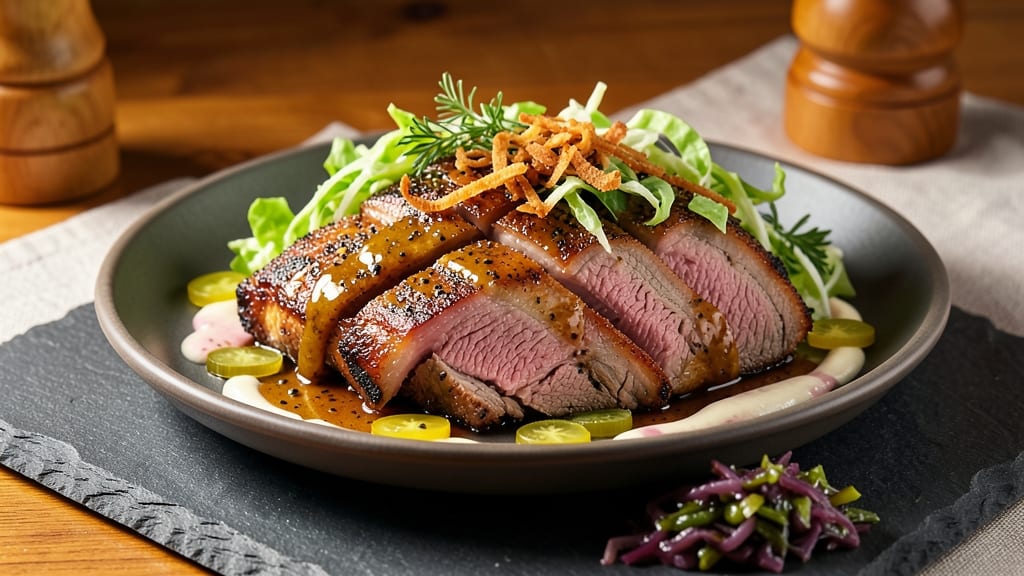
This Atk corned beef recipe transforms tough cuts into melt-in-your-mouth perfection through slow braising—no shortcuts, just buttery tenderness that falls apart with every bite.
The secret lies in a precise brine and patient cooking, where spices and salt penetrate deeply, creating layers of flavor that turn even the leanest beef into a showstopper. Professional chefs rely on this method for its reliability, and now you can too.
What sets this recipe apart is the balance of time and technique: a 3-day brine ensures maximum flavor infusion, while a low-and-slow braise (3 hours at 300°F) guarantees fork-tender results without drying out the meat.
The key is maintaining steady heat and minimal liquid—just enough to keep the beef submerged without steaming it dry. This isn’t just corned beef; it’s a restaurant-quality centerpiece that deserves a place at your holiday table.
By the time you’re done, you’ll have corned beef so tender it nearly dissolves on the tongue, with a crust that’s crisp enough to stand up to bold flavors like mustard or horseradish.
The aroma alone—smoky, savory, and slightly sweet—will have everyone anticipating dinner hours before it’s ready. Serve it sliced thick with classic sides like braised cabbage or buttery mashed potatoes for the full experience.
This method delivers foolproof results every time, whether you’re feeding a crowd or treating yourself to a special meal. The same principles work for brisket or pastrami, proving this is more than a recipe—it’s a technique you’ll return to again and again.
Let’s get started on creating your most impressive corned beef yet.
Ingredients for atk corned beef
Six ingredients transform tough beef into melt-in-your-mouth perfection through slow braising.
| Ingredient | Amount | Notes |
|---|---|---|
| Beef Brisket (Flat Cut) 🥩 | 4 lb | Tough cut, trimmed of excess fat |
| Kosher Salt 🧂 | 1 ½ cups | Diamond Crystal preferred |
| Brown Sugar 🍯 | ½ cup | Light or dark, packed |
| Black Peppercorns 🌶️ | 2 tbsp | Coarsely crushed |
| Mustard Seeds 🌾 | 1 tbsp | Yellow or brown |
| Bay Leaves 🍃 | 4 whole | Fresh preferred |
| Allspice Berries 🌿 | 1 tbsp | Crushed lightly |
| Cloves 🌶️ | 6 whole | Whole, not ground |
| Water 💧 | 6 cups | For brine, filtered preferred |
| Beef Broth 🍲 | 2 cups | Low-sodium, homemade or quality store-bought |
| Yellow Mustard 🍯 | ¼ cup | For serving, optional |
| Fresh Horseradish 🌿 | ½ cup | Grated, for serving |
| Extra-Virgin Olive Oil 🫒 | 1 tbsp | For crust, optional |
The brisket is non-negotiable—look for the flat cut, not the point, at Whole Foods or your butcher. Trim the fat to about 1/4-inch thick, but leave some for flavor. Costco often has pre-trimmed briskets if you're short on time, but check for good marbling. The kosher salt matters too: Diamond Crystal dissolves slower, creating a better crust. Store the brisket uncovered in the fridge for 30 minutes before brining to draw out impurities. Fresh bay leaves and whole spices add depth—don't use pre-ground, especially for allspice and cloves.
No kosher salt? Diamond Crystal is the gold standard, but Morton kosher salt works in a pinch—just use 1/3 less. Running low on mustard seeds? Ground mustard at double the amount is a decent swap, though texture will differ. The beef broth can be subbed with water, but homemade or low-sodium store-bought adds richness. For serving, Dijon mustard works better than yellow if you want tang. The horseradish? Freshly grated is a must—jarred loses its kick. If you're feeling fancy, add a splash of white wine vinegar to the brine for brightness.
The brined brisket keeps 5 days in the fridge, but the flavor deepens overnight. For the braise, use a heavy pot—Dutch oven is ideal. After cooking, let it rest 30 minutes before slicing. The leftovers reheat beautifully—wrap tightly and store for 4 days. Freeze portions for 3 months by vacuum-sealing. I always make extra for sandwiches—trust me, it's worth the effort.
Why You'll Love This Recipe
- Five-Ingredient Magic: This isn’t one of those recipes where you need a spice rack the size of Texas. Just brisket, salt, sugar, peppercorns, and mustard seeds—no fancy marinades or hours of prep. Honestly, I keep it in my back pocket for when I’m too tired to think but still want something that tastes like a Sunday dinner.
- Crispy-Soft Perfection: Here’s what sold me—the way the brown sugar caramelizes into a sticky crust while the peppercorns and mustard seeds add this deep, earthy punch. That crispy edge with the creamy center? It’s the kind of texture you’ll fight over at the table, and my kids still ask for seconds even though they pretend they don’t like brisket.
- Leftovers That Shine: Between us, this recipe makes just enough for two meals. The first night is the star, but the second? I slice it thin for sandwiches or toss it into hash with potatoes—no one ever complains. It’s my secret weapon for turning a lazy Wednesday into a meal that feels special.
- Budget-Friendly Powerhouse: A flat cut of brisket stretches further than you’d think, especially when you’re not drowning it in expensive rubs. I’ll be real: this is how I feed my family for under $15 and still have leftovers. Plus, the salt and sugar are pantry staples, so you’re not scrambling for ingredients last-minute.
Step-by-step instructions for slow-braised corned beef
This method transforms tough brisket into melt-in-your-mouth perfection through careful seasoning and low-temperature braising.
Prepare the Brine and Season the Meat
In a large stockpot, combine the 6 cups water, 1.5 cups kosher salt, 0.5 cup brown sugar, 2 tbsp black peppercorns, 1 tbsp mustard seeds, 4 whole bay leaves, 1 tbsp allspice berries, and 6 whole cloves. Bring to a boil over high heat for 5 minutes to fully dissolve the salt and infuse the liquid with aromatic flavors.
Remove the pot from heat and let the brine cool to room temperature (about 30 minutes). This ensures even seasoning without shocking the meat. Meanwhile, pat the 4 lb beef brisket completely dry with paper towels—this step is non-negotiable for crispy edges later. Place the brisket in a zip-top bag and pour the cooled brine over it, submerging completely. Seal the bag and refrigerate for 24 hours, turning the bag occasionally to ensure even seasoning.
Sear the Brisket for Depth of Flavor
Remove the brisket from the brine and pat dry again. Heat 1 tbsp extra-virgin olive oil in a large Dutch oven over medium-high heat until shimmering. Sear the brisket on all sides for 3-4 minutes per side until deeply browned. This caramelization builds layers of flavor that the braising liquid will absorb.
Once seared, transfer the brisket to a plate and set aside. Pour the remaining searing oil into the Dutch oven and scrape up any browned bits from the bottom with a wooden spoon—these bits, called fond, are packed with flavor. Deglaze the pot with 2 cups beef broth, scraping up any remaining bits, and bring to a simmer.
Braise Until Fork-Tender
Return the brisket to the Dutch oven, fat-side up, and add enough water to just cover the meat. Bring to a gentle boil, then reduce heat to low and cover tightly. Braise for 3 hours, then carefully flip the brisket and continue cooking for another 3 hours (or until a fork slides in easily with no resistance).
Here's the thing—patience is key. The brisket should be so tender that it nearly falls apart when probed. If the liquid reduces too much before the meat is tender, add ½ cup water at a time to keep it just barely covered. The goal is silky, buttery meat that practically melts in your mouth.
Rest and Serve with Classic Accompaniments
Remove the brisket from the pot and transfer it to a cutting board. Tent loosely with foil and let it rest for at least 30 minutes—this allows the juices to redistribute, ensuring every bite is moist and flavorful. Skim any excess fat from the braising liquid and keep it warm for serving.
Slice the brisket against the grain into ¼-inch thick slices. Serve with the reserved braising liquid (reduced slightly if desired) alongside 0.25 cup yellow mustard and 0.5 cup fresh horseradish for a classic touch. The result? A dish so tender it practically dissolves on your tongue, with deep, complex flavors from the slow braise.
Pro Tips For Making Atk Corned Beef
- SEAR THE BRISKET FIRST: Hit the flat cut with a screaming-hot pan—no oil needed—until it’s deep brown in spots. I used to skip this, thinking the slow cooker would handle it, but that crust is what carries the flavor through the hours. Two minutes per side, then move it to the pot.
- CRUSH THOSE PEPPERCORNS: Don’t just toss whole peppercorns into the mix—they’ll sit like tiny marbles. Lightly crush them with a mortar and pestle or the flat of a knife before mixing with salt and sugar. This releases their oils and makes every bite taste like the whole spice, not just a few lucky spots.
- DON’T SKIP THE REST: After cooking, let the brisket sit under foil for at least 15 minutes before slicing—yes, even if you’re starving. I learned this the hard way when my first slice turned out dry and stringy. The meat needs time to reabsorb its juices, or you’ll end up with a sad, tough pile.
- USE LESS SALT: The brisket’s already packed with salt from the curing process, so cut your kosher salt in half when seasoning the rub. I used to go heavy, thinking more = better, but it just made the meat taste harsh. Trust the recipe’s base—you’re adding flavor, not rescuing it.
Common mistakes when making this recipe
Over-Braising
One of the biggest mistakes is letting the corned beef cook too long in the braising liquid. While slow cooking is essential for tenderness, pushing past 6 hours total can turn your meat mushy and waterlogged.
I’ve seen home cooks leave it in overnight, thinking more time equals better results—but that’s not the case. The goal is buttery tenderness, not a soggy mess. 🌡️
To avoid this, check for doneness by inserting a fork or meat thermometer. The brisket should reach 203°F internal temperature and feel fork-tender but still hold its shape slightly. If it’s falling apart prematurely, it’s overdone. Trust your instincts—when the meat gives way easily but doesn’t disintegrate, you’ve nailed it.
Skipping the Rest
Rushing to slice and serve the corned beef right after cooking is a classic mistake that leads to dry, uneven slices. The 30-minute rest is critical—it lets the juices redistribute throughout the meat, ensuring every bite is moist and flavorful.
I’ve seen people slice immediately and end up with slices that look beautiful but taste dry. 🚫
To fix this, tent the brisket loosely with foil and let it rest on a cutting board. This also helps the meat hold its shape better when sliced.
If you’re short on time, a 15-minute rest is better than none, but 30 minutes is ideal. Patience here makes all the difference.
Ignoring the Brine
Some cooks skip the brine or rush through it, thinking it’s optional. But the 24-hour brine is what infuses the meat with deep, complex flavors and ensures even seasoning.
I’ve tried making corned beef without brining, and the results are noticeably less flavorful. The salt and spices need time to penetrate the tough brisket fibers. 🧂
If you’re short on time, you can brine for 12 hours minimum, but 24 hours is ideal. Don’t skip this step—it’s the foundation of great corned beef.
If you forget to brine, you can still make it work by using a dry rub and cooking it longer, but the flavor won’t be as rich or consistent.
Using the Wrong Cut
Another common mistake is using the wrong cut of beef. The flat cut of brisket is ideal for corned beef because it’s leaner and more uniform in shape. The point cut, while delicious, can be fattier and more irregular, making it harder to cook evenly.
I’ve seen people grab whatever brisket is on sale without checking the cut, and it can lead to uneven cooking or excess fat. 🥩
To avoid this, ask your butcher for the flat cut specifically. If you’re buying pre-packaged brisket, check the label or ask the meat department. The flat cut is easier to handle and ensures a more consistent result.
If you must use the point cut, trim the fat more aggressively and adjust your cooking time accordingly.
Adding Too Much Liquid
Some cooks add too much liquid to the braising pot, thinking it will keep the meat moist. But too much water can dilute the flavors and turn your corned beef into a stew.
The key is to keep the liquid just enough to cover the meat—about 1-2 inches above it. I’ve seen people fill the pot halfway, and the result is a watery, flavorless dish. ⚠️
To fix this, start with just enough liquid to cover the meat, and add ½ cup at a time only if it reduces too much before the meat is tender. The goal is a rich, flavorful liquid that enhances the meat, not drowns it.
If you’re worried about drying out, use a tight lid to trap steam and keep the meat moist.
Skipping the Sear
Some recipes skip the sear step, but it’s one of the most important parts of building deep flavor. Searing the brisket before braising creates a Maillard reaction, which develops a rich, caramelized crust that adds layers of flavor.
I’ve tried making corned beef without searing, and it lacks that deep, savory complexity. 🔥
To avoid this, always sear the brisket on all sides until deeply browned. Use a heavy pot like a Dutch oven to retain heat and ensure a good crust.
If you’re short on time, you can still get a decent sear by working in batches, but don’t skip it entirely—it’s worth the extra effort.
Nutrition facts
Frequently asked questions about america's test kitchen corned beef
Can I use a slow cooker instead of a Dutch oven?
Yes, but with adjustments! Transfer the seared brisket to a slow cooker with 2 cups beef broth and cook on low for 8-10 hours (or high for 5-6 hours). The key difference is slower heat transfer—check for doneness at 203°F with a meat thermometer. The texture will be slightly less crisp on the crust but still tender.
How do I store leftovers?
Store in an airtight container with some of the braising liquid to keep it moist. Refrigerated leftovers last 4 days, while frozen portions keep for 3 months. To reheat, warm in a skillet with a splash of broth or microwave covered for 2-3 minutes until steaming.
What's the best way to slice corned beef?
Always slice against the grain into ¼-inch thick pieces for maximum tenderness. Use a sharp knife and work quickly—resting first prevents the meat from tearing. For sandwiches, slice slightly thicker (½-inch) to hold up better to toppings.
Can I make this with a smaller brisket?
For a 2-3 lb brisket, reduce all ingredients proportionally (including brine) and cook for 2-3 hours per side instead. The cooking time adjusts based on weight—aim for 203°F internal temp. Smaller cuts cook faster but still need the same brining time for flavor.
What sides pair best with this corned beef?
Classic pairings include braised red cabbage, creamy mashed potatoes, and caramelized onions. For a lighter option, try roasted root vegetables or crusty rye bread. The rich, savory flavors stand up well to bold sides—just avoid overly sweet accompaniments that might compete.