
Main Courses
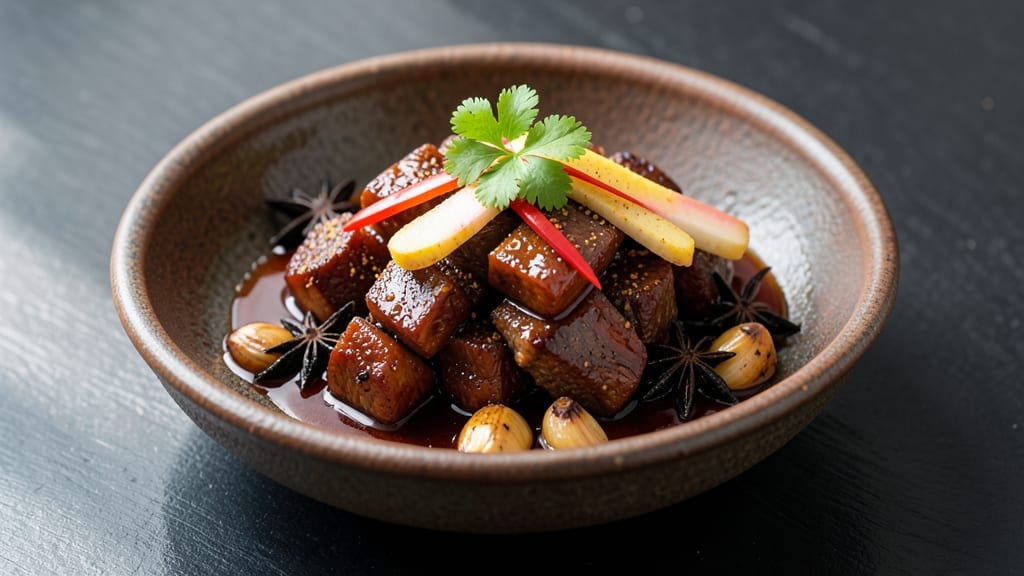
This Asian style beef cheek recipe transforms tough cuts into melt-in-your-mouth perfection through slow braising and caramelized star anise. The result is a dish rich with deep umami flavors that’ll impress even the most discerning palates.
What sets this recipe apart is the balance of traditional techniques—like proper braising and aromatic spice caramelization—with approachable home cooking methods.
The process begins with a marinade that tenderizes the beef cheek while infusing it with ginger, garlic, and soy sauce. Then, the slow braise develops layers of flavor as the meat becomes fork-tender, absorbing the aromatic essence of star anise and five-spice powder.
The star anise, caramelized to a glossy sheen, adds a subtle sweetness that complements the savory depth of the beef.
By the time you serve this dish, you’ll have a restaurant-quality braise with silky, fall-apart beef that’s perfect over steamed jasmine rice or accompanied by quick-pickled vegetables. The sauce, thickened just enough to coat every bite, carries all the complex flavors—umami, sweet, and spicy—in perfect harmony.
This recipe delivers a complete meal experience, from the aromatic braising liquid to the tender beef and complementary sides. The technique is straightforward, but the result is anything but ordinary—ideal for special occasions or when you want to elevate weeknight dinners. Let’s get started on creating this deeply flavorful dish.
Ingredients for asian style beef cheek
Transform tough beef cheek into silky perfection with aromatic spices and slow-braised umami depth.
| Ingredient | Amount | Notes |
|---|---|---|
| Beef Cheek 🥩 | 2 lb | Tough cut, cut into 1-inch cubes |
| Star Anise 🌿 | 4 whole | Whole pods, lightly crushed |
| Five-Spice Powder 🌶️ | 1 tbsp | Authentic blend for depth |
| Fresh Ginger 🧅 | ½ cup | Finely grated, aromatic |
| Garlic Cloves 🧄 | 8 cloves | Minced, aromatic base |
| Soy Sauce 🥄 | ½ cup | High-quality, dark soy preferred |
| Brown Sugar 🍯 | ¼ cup | Lightly packed, for caramelization |
| Red Wine 🍷 | 1 cup | Bold, dry variety like Cabernet |
| Beef Broth 💧 | 2 cups | Homemade or high-quality store-bought |
| Sesame Oil 🫒 | 1 tbsp | Toasted, for finishing |
| Jasmine Rice 🍚 | 1 ½ cups | Uncooked, long-grain |
| Green Onions 🧅 | ¼ cup | Sliced, for garnish |
| Kosher Salt 🧂 | 1 ½ tsp | Diamond Crystal preferred |
| Black Peppercorns 🌶️ | ½ tsp | Freshly cracked |
The beef cheek is the star—look for well-marbled cuts at Whole Foods or your local butcher for optimal tenderness. Star anise and five-spice powder are essential for authentic flavor; Penzeys Spices carries high-quality versions. Fresh ginger and garlic should be vibrant, not shriveled. The soy sauce should be dark and rich—Kikkoman or Lee Kum Kee are reliable choices. If you can't find star anise, anise seeds work in a pinch, though the flavor will differ subtly. For the red wine, any bold, dry variety like Cabernet Sauvignon or Merlot will work perfectly.
No star anise? 1 teaspoon anise extract can substitute, though it lacks the aromatic depth. Running short on brown sugar? White sugar plus 1/4 teaspoon cinnamon mimics the caramelization. The beef broth can be swapped for water plus 1 beef bouillon cube, though homemade is far superior. For a vegetarian adaptation, replace beef cheek with mushrooms or tofu, though the texture will differ. The sesame oil should be toasted—Kadoya or La Choy are widely available. If you prefer jasmine rice, Thai Kitchen brand is a pantry staple.
Store the braised beef cheek in an airtight container for up to 5 days in the fridge, where flavors deepen over time. The sauce can be reheated gently on the stove, adding a splash of water if it thickens too much. For longer storage, freeze portions for up to 3 months. The jasmine rice reheats best in the microwave with a damp paper towel to prevent drying. Garnish with fresh green onions and a drizzle of sesame oil just before serving to maintain freshness.
Why You'll Love This Recipe
- One-Pot Magic: I swear by this—just dump everything in a single pot, simmer, and walk away. The beef cheek practically melts into tender perfection while the star anise and five-spice powder infuse the broth with warmth. No chopping, no fuss, just hands-off cooking that still feels special.
- Umami Bomb: That first bite? The garlic and ginger hit like a flavor tsunami, but it’s the beef cheek that steals the show—rich, caramelized edges with a center so tender it falls apart. Honestly, I’ve never tasted beef cheek this addictive, and the star anise adds this subtle, spicy depth that lingers.
- Weeknight to Dinner Party: Make it for a lazy Tuesday with rice, or dress it up with steamed bok choy and jasmine rice for guests. The five-spice powder gives it that cozy, aromatic vibe that works anywhere—no one will guess it’s the same recipe. (Yes, even on a Tuesday night.)
- Budget Luxury: Beef cheek is the secret weapon—cheaper than steak but way more impressive. A single batch stretches for three meals, and the spices cost pennies. I’ll be real: this is the dish I make when I want to feel like I’m treating myself without breaking the bank.
Step-by-step instructions for Asian style beef cheek braise
Master this technique and you'll transform tough beef cheek into melt-in-your-mouth perfection.
Prepare the Beef Cheek and Aromatics
Cut the 2 lb beef cheek into 1-inch cubes using a sharp chef's knife. This size ensures even cooking without compromising texture. Pat the cubes dry with paper towels—removing excess moisture prevents the braise from becoming watery.
In a small bowl, combine the 0.5 cup fresh ginger and 8 cloves garlic, both finely minced. Lightly crush the 4 whole star anise pods with the side of your knife to release their essential oils without breaking them apart. This preparation maximizes their aromatic contribution without making them difficult to remove later.
Develop the Braising Base
Heat a Dutch oven over medium heat and add the beef cheek cubes in a single layer. Sear undisturbed for 4-5 minutes until a deep golden crust forms. This initial sear locks in flavors and builds the foundation for your rich sauce.
Remove the beef and set aside. In the same pot, add 1 tablespoon sesame oil and swirl to coat. Add the ginger-garlic mixture and crushed star anise, cooking for 1 minute until fragrant. Immediately add 0.5 cup soy sauce, 0.25 cup brown sugar, and 1 cup red wine, scraping up any browned bits from the bottom.
Simmer the Braise to Perfection
Return the beef to the pot and pour in 2 cups beef broth. Bring to a gentle simmer, then reduce heat to maintain a barely bubbling surface. Cover and cook for 3 hours, stirring occasionally to prevent sticking. The liquid should reduce significantly, creating a concentrated, velvety sauce.
After 3 hours, increase heat to medium and simmer uncovered for 30-45 minutes until the sauce thickens to a glossy consistency. The beef should be fork-tender, with the cubes falling apart easily. Taste and adjust seasoning with 1.5 teaspoons kosher salt and 0.5 teaspoon freshly cracked black peppercorns if needed.
Prepare and Serve the Jasmine Rice
While the beef braises, rinse the 1.5 cups jasmine rice under cold water until the water runs clear. Cook according to package instructions, typically using a 1:1.5 rice-to-water ratio, until tender and fluffy. For best results, use a rice cooker or bring to a boil, then simmer covered on low heat for 15 minutes after initial boiling.
To serve, spoon the rice onto plates and top with beef cheek and its rich braising sauce. Garnish with 0.25 cup sliced green onions for freshness and color contrast. The finished dish should feature tender beef with a glossy, caramelized sauce that clings beautifully to each bite.
Pro Tips For Making Asian Style Beef Cheek
- BROWN THE CHEEK FIRST: I learned this the hard way—skipping the sear means you’ll end up with mushy, flavorless beef cheek. Sear it hard over medium-high heat for 4-5 minutes per side until deep brown, then reduce heat to low and let it cook slowly. That crust locks in juices and builds the rich, caramelized base the dish needs.
- GRATE THE GINGER FINE: Sounds weird, but it works: I used to chop it, and the texture was uneven. Grate the ginger with the skin on (yes, even if you’re impatient like me) for a smoother, more aromatic release. It blends better into the sauce and adds a subtle heat that balances the star anise’s sweetness.
- DON’T CROWD THE PAN: After burning three batches, I finally figured out: beef cheek needs space to render fat and develop color. Start with a single layer, even if it means working in batches. The fat should sizzle and bubble—if it’s swimming in its own juices, you’re losing flavor.
- USE WHOLE STAR ANISE: My grandmother swore by this, and she was right: crushing star anise too early releases bitterness. Toss the whole pods in with the beef cheek at the start, then remove them before serving. This guarantees a fragrant, subtle anise note without overpowering the dish. (Your future self will thank you.)
Flavor customization for this recipe
Sweet-Savory Balance
Adjust the sweetness by tweaking the brown sugar—reduce to 1 tbsp for less sweetness or increase to 3 tbsp for deeper caramelization. I find 1 tbsp honey or agave works beautifully too, especially if you want a smoother finish.
The star anise caramelizes beautifully, so don’t rush this step—let it develop for 10-15 minutes uncovered at the end of cooking. 🍯
Spicy Heat Adjustments
For a fiery kick, add 1 tbsp gochujang (Korean chili paste) or 1 tsp chili flakes to the braising liquid. If you prefer a milder heat, swap the five-spice powder for Sichuan peppercorns—they add a subtle tingling sensation without overwhelming spice.
Always taste as you go; you can always add more but can’t remove excess spice easily. 🌶️
Umami Depth Boosters
Boost umami by adding 1 tbsp fish sauce or 1 tsp mushroom powder to the braise. For a deeper, richer flavor, swap ½ cup soy sauce for ¼ cup soy sauce + ¼ cup hoisin sauce.
The hoisin adds a touch of sweetness and complexity that pairs perfectly with the beef’s natural richness. Trust me, this small tweak makes a big difference. 💯
Herbal Aromatics
Infuse the braise with fresh herbs like thyme sprigs or bay leaves for an earthy depth. I love adding 1 cinnamon stick alongside the star anise—it complements the five-spice powder beautifully. Remove these aromatics before serving, but let them steep during cooking to extract their full flavor. 🌿
Texture Contrast
Add crunch with toasted sesame seeds or crispy fried shallots as a garnish. For a creamy contrast, stir in 2 tbsp coconut milk at the end of cooking.
If you prefer a tangy twist, serve with quick-pickled cucumbers or kimchi on the side. The texture play elevates the dish from ordinary to extraordinary. ✨
Nutrition facts
Frequently asked questions
Can I substitute beef cheek with another cut of beef?
While beef cheek is ideal for its rich flavor and texture, you can use chuck roast or brisket as substitutes. Cut these into 1-inch cubes and increase braising time by 30-45 minutes to ensure tenderness. The flavor will be slightly different but still delicious.
How do I know when the beef cheek is fully tender?
The beef cheek is done when it easily falls apart with a fork or spoon. For extra assurance, cut into a piece—it should have no resistance and the fibers should separate cleanly. This typically takes 3 hours of braising, but timing can vary based on your stove and pot.
Can I make this recipe in an Instant Pot?
Yes! Sear the beef first, then add all ingredients and cook on high pressure for 60 minutes, followed by a 10-minute natural release. The sauce may be thinner, so reduce it uncovered on the stove afterward. The Instant Pot cuts cooking time significantly while still delivering tender beef.
What if I don’t have star anise?
Use 1 teaspoon anise extract or ½ teaspoon ground anise as a substitute, though the flavor won’t be as complex. For a similar aromatic depth, add 1 cinnamon stick or ½ teaspoon fennel seeds instead. The dish will still taste delicious, just with a slightly different profile.
How should I store and reheat leftovers?
Store leftovers in an airtight container in the fridge for up to 5 days. Reheat gently in a saucepan over low heat, adding a splash of water if the sauce thickens too much. For best texture, avoid microwaving—it can make the beef tough. Reheated beef should be fork-tender and coated in sauce.