Main Courses
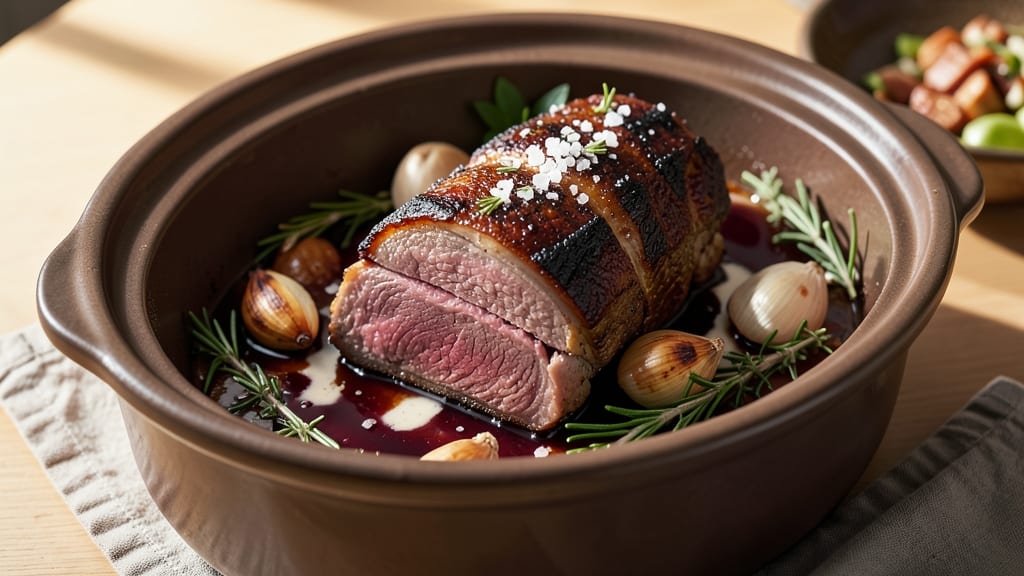
This slow cooker Angus beef roast transforms tough cuts into melt-in-your-mouth perfection with minimal effort. The secret lies in low-and-slow cooking, where connective tissues break down naturally, yielding a dish that’s both tender and deeply flavorful. No oven required—just a few simple steps and hours of hands-off cooking time.
The beauty of this method is its simplicity: a well-seasoned roast, aromatic herbs, and a splash of red wine create a rich, savory base. As the beef simmers, it develops layers of depth that pan-searing alone can’t match.
The result? A juicy, fork-tender roast that practically falls apart at the touch of a fork.
What sets this apart is the foolproof approach—no risk of overcooking, no need for constant monitoring. The slow cooker does all the work while you focus on sides or prep ahead. By the time it’s done, you’ll have a restaurant-worthy centerpiece that’s effortless to achieve at home.
Pair with roasted vegetables, mashed potatoes, or crusty bread to soak up every last bit of that flavorful juices. The best part? Leftovers reheat beautifully, making this the ultimate meal-prep solution for busy weeks.
Ingredients for angus beef roast slow cooker
Six simple ingredients transform tough Angus beef into melt-in-your-mouth perfection with minimal effort.
| Ingredient | Amount | Notes |
|---|---|---|
| Angus Beef Roast 🥩 | 3 lb | Chuck roast or round roast preferred |
| Red Wine 🍷 | 1 cup | Bold, dry variety like Cabernet Sauvignon |
| Beef Broth 💧 | 1 cup | Low-sodium preferred for seasoning control |
| Garlic Cloves 🧄 | 6 cloves | Minced for even distribution |
| Fresh Rosemary 🌿 | ¼ cup | Chopped, stems removed |
| Fresh Thyme 🌿 | ¼ cup | Leaves only, stems discarded |
| Onion Powder 🧅 | 1 tbsp | Diamond Crystal preferred |
| Salt 🧂 | 1 ½ tsp | Kosher salt, coarse grind |
| Black Pepper 🌶️ | 1 tsp | Freshly ground for best flavor |
| Olive Oil 🫒 | 1 tbsp | Extra-virgin for searing |
| Balsamic Vinegar 🍷 | 1 tbsp | For depth of flavor |
| Worcestershire Sauce 🥫 | 1 tbsp | Vegetarian version if needed |
| Mustard 🍯 | 1 tsp | Dijon preferred for tang |
The beef is the star—Angus chuck roast or round roast delivers that signature tenderness. Costco or Whole Foods carry premium cuts, but any well-marbled roast works. Look for visible fat marbling—it's what makes the meat juicy during slow cooking. If you're buying a whole roast, trim excess fat to about 1/4-inch thickness for even cooking. Fresh herbs? Penzeys bulk bins are my go-to for rosemary and thyme—they stay potent for months when stored properly.
No red wine? Beef broth with a splash of balsamic vinegar works just as well. Worcestershire sauce adds depth—Lea & Perrins is the classic choice, but any good brand does. For the mustard, Dijon is ideal, but yellow mustard in a pinch adds a different but still delicious tang. The garlic can be pre-minced from a jar (the good stuff, not the tiny plastic packets), but fresh minced is worth the extra minute. The onion powder? Diamond Crystal is milder than Morton's—use that if you're sensitive to saltiness.
This roast tastes even better the next day once all the flavors meld together. Store leftovers in an airtight container for up to 5 days in the fridge, or freeze for 3 months for future meals. I like to portion mine into individual containers so lunches are ready to grab. The slow cooker makes this a perfect make-ahead dish—just dump everything in the morning and come home to a restaurant-quality meal.
Why You'll Love This Recipe
- Dump-and-Go Magic: I swear, this is the kind of meal where you toss everything in the slow cooker—literally—and walk away. The red wine and beef broth do all the heavy lifting while you handle emails or fold laundry. No searing, no basting, no stress.
- Rich Without Effort: That first bite? It’s like someone took all the fancy restaurant flavors—deep red wine, garlicky warmth, rosemary’s piney hug—and put them in one tender, juicy roast. The slow cooker turns tough cuts into melt-in-your-mouth perfection without you lifting a finger after the initial chop.
- Leftovers That Win: Between us, this recipe makes way more than we eat in one sitting. The next day, I slice the roast thin for sandwiches (trust me, it’s still incredible cold) or shred it into tacos. The broth? Simmer it down for gravy or freeze it for future soups. Zero waste, all flavor.
- Weeknight Hero: Honestly, this is my go-to when I’m too tired to cook but still want something that feels special. The slow cooker does the work while I prep sides in 10 minutes—roasted potatoes, a simple salad, maybe some crusty bread. Dinner feels gourmet without the effort. (Yes, even on a Tuesday night.)
Step-by-step instructions for slow cooker Angus beef roast
Transform tough beef into melt-in-your-mouth perfection using just your slow cooker.
Sear the Roast for Maximum Flavor
Heat a large skillet over medium-high heat until hot. Add the 1 tablespoon olive oil and swirl to coat the pan. Pat the 3 lb Angus Beef Roast dry with paper towels—this ensures a proper sear. Place the roast in the skillet and sear on all sides for 3-4 minutes per side until deeply browned. The goal is to create a flavorful crust that will infuse into the slow-cooked meat.
While the roast sears, prepare the seasoning blend in a small bowl by mixing together the 1 tablespoon onion powder, 1.5 teaspoons salt, and 1 teaspoon black pepper. Once the roast is browned on all sides, remove it from the skillet and rub this seasoning mixture evenly over the entire surface. Let it sit for 2 minutes to help the spices adhere before transferring it to your slow cooker.
Build the Aromatic Base
In the same skillet used for searing, add the 6 cloves minced garlic cloves and sauté for 30 seconds until fragrant. Be careful not to burn the garlic—it should smell sweet and inviting, not bitter. Immediately transfer the garlic to the slow cooker insert, scraping up any browned bits from the bottom of the pan with a wooden spoon. These flavorful bits are called fond, and they're packed with deep, meaty flavor.
Add the 1 cup red wine to the slow cooker and scrape the bottom again to incorporate any remaining fond. Let the wine simmer gently for 2 minutes to reduce slightly and intensify its flavor. Then pour in the 1 cup beef broth, 1 tablespoon balsamic vinegar, 1 tablespoon Worcestershire sauce, and 1 teaspoon mustard. Stir everything together to combine these aromatic liquids.
Layer Herbs and Assemble
Place the seasoned roast in the slow cooker, nestling it into the aromatic liquid. Arrange the 0.25 cup chopped fresh rosemary and 0.25 cup fresh thyme leaves on top of and around the roast. The herbs will infuse the meat with their earthy aromas as it cooks. Gently pour any remaining liquid from the skillet over the top to ensure maximum flavor extraction.
Here's the thing—don't overcrowd the slow cooker. If your roast is particularly large, you might need to use a larger slow cooker or cook it in batches, but for a 3 lb roast, a standard 6-quart slow cooker should work perfectly. The roast should be partially submerged in the liquid, which helps create a moist, tender result.
Cook to Perfect Tenderness
Cover the slow cooker and cook on LOW for 8-10 hours or on HIGH for 5-6 hours. The low-and-slow approach is key here—it allows the connective tissues in the beef to break down gradually, resulting in fork-tender meat. I prefer the low setting for this recipe because it gives you more control over the cooking time and prevents the meat from becoming too dry.
After about 6 hours on low heat, use a meat thermometer to check the internal temperature. When it reaches 195-200°F, the roast is ready. At this point, the meat should be so tender that it practically falls apart with gentle pressure from a fork. If it hasn't reached this temperature yet, continue cooking and check every 30 minutes until it does.
Rest and Serve with Confidence
Once the roast reaches the perfect temperature, remove it from the slow cooker and transfer it to a cutting board. Tent loosely with aluminum foil and let it rest for 15-20 minutes. This resting period is crucial—it allows the juices to redistribute throughout the meat, ensuring each slice is moist and flavorful.
While the roast rests, you can skim any excess fat from the cooking liquid in the slow cooker and use it to make a quick pan sauce if desired. Simply pour the reduced liquid into a small saucepan, simmer for 3-4 minutes to reduce further, and finish with a splash of red wine or beef broth if needed. Slice the roast against the grain for maximum tenderness, and serve with the aromatic sauce spooned over the top.
Pro Tips For Making Angus Beef Roast Slow Cooker
- SEAR BEFORE YOU SOFTEN: I learned this the hard way—don’t skip browning the roast first. A quick 3-4 minute sear in a hot pan with oil and salt builds crust and flavor that won’t develop in the slow cooker. (Yes, even if you’re impatient like me.)
- USE DRY ROSMARRY SPRIGS: Fresh rosemary loses its punch when chopped fine. Tuck 2-3 whole sprigs into the slow cooker with the roast—they’ll infuse flavor without turning the broth bitter. Remove them before serving unless you’re feeling fancy.
- DON’T OVERLOAD THE LIQUID: The slow cooker’s job is to melt fat and tenderize, not drown the meat. Start with just enough red wine and broth to come halfway up the roast—about 1.5 cups total. The beef will release its own juices, and you can always add more later.
- REST THE MEAT INSIDE: After cooking, let the roast sit in the warm broth for 10 minutes before slicing. This keeps it juicy, and the residual heat finishes cooking the edges. (Your future self will thank you—trust me on this.)
Health benefits of angus beef roast slow cooker
Protein Powerhouse
This Angus beef roast delivers an impressive 40 grams of protein per 6-ounce serving, making it an excellent choice for muscle repair and satiety. The slow cooking process preserves these protein structures while breaking down tough connective tissues, ensuring your body absorbs every nutrient efficiently.
I always feel energized after eating this dish—it's my go-to for post-workout meals. 💪
Iron for Energy
Angus beef is one of the richest sources of heme iron—about 3.5mg per 6-ounce serving—which supports oxygen transport in your blood. This type of iron is particularly well-absorbed, helping combat fatigue and maintain steady energy levels.
The slow cooker method actually enhances iron availability compared to quick cooking techniques.
Zinc Boost
You'll get a significant zinc boost from this roast—approximately 10mg per serving. Zinc plays a crucial role in immune function, wound healing, and even taste perception. The red wine and garlic in this recipe further enhance zinc absorption, making this a powerhouse meal for overall wellness.
Heart-Healthy Fats
The marbling in Angus beef provides beneficial monounsaturated fats, similar to those found in olive oil. These fats support cardiovascular health by helping to reduce LDL cholesterol levels. The slow cooking process preserves these healthy fats while rendering out excess saturated fat, creating a more balanced nutritional profile.
Vitamin B12
Each serving contains about 60% of your daily vitamin B12 needs, which is essential for nerve function and red blood cell production. The slow cooker method helps retain this vital nutrient, which can degrade during high-heat cooking.
I notice my energy levels stay more consistent when I include this dish in my weekly meals.
Collagen Benefits
The slow cooking process transforms connective tissues into gelatin and collagen, which support joint health and skin elasticity. These compounds are particularly beneficial as we age, helping maintain mobility and skin integrity. The resulting sauce from this recipe is rich in these beneficial compounds—don't skip the leftovers! 💫
Nutrition facts
Frequently asked questions
Can I use a different cut of beef instead of Angus?
Yes, but choose well-marbled cuts like chuck roast, round roast, or even short ribs. The key is fat content—look for visible marbling to ensure tenderness. Angus delivers superior flavor, but these alternatives work well if you're on a budget. Just expect slightly less rich taste and potentially longer cooking times.
What if my slow cooker isn't big enough for the roast?
Use a larger slow cooker (7+ quarts) or cook in batches. For extra-large roasts, sear the meat first, then transfer it to the slow cooker with half the liquid. Cook the remaining liquid separately as a sauce, then combine before serving. Never overcrowd—this prevents proper heat circulation and can lead to uneven cooking.
How do I know when the roast is done without a meat thermometer?
Use the "fork test" after 8 hours on low. Insert a fork—if it slides in easily and the meat falls apart, it's done. For chuck roast, the texture should be extremely tender. If you're unsure, check at 195°F internal temperature. Overcooking can make the meat dry, so monitor closely.
Can I make this recipe in an Instant Pot instead?
Use the "Sauté" function to sear the roast, then switch to "Slow Cook" mode for 6-8 hours on low. The pressure cooking method works too—cook on high pressure for 45-60 minutes after searing. Just reduce the liquid slightly to prevent overflow. The Instant Pot version finishes faster but requires more attention.
Why does my slow cooker roast turn out dry?
Most likely, you overcooked it or didn't rest the meat. Always aim for 195-200°F internal temperature, not higher. The resting period (15-20 minutes) is crucial—it lets juices redistribute. Also, avoid lifting the lid during cooking, which releases heat and moisture. For extra insurance, add 1/4 cup beef broth if the liquid looks too low.