
Main Courses
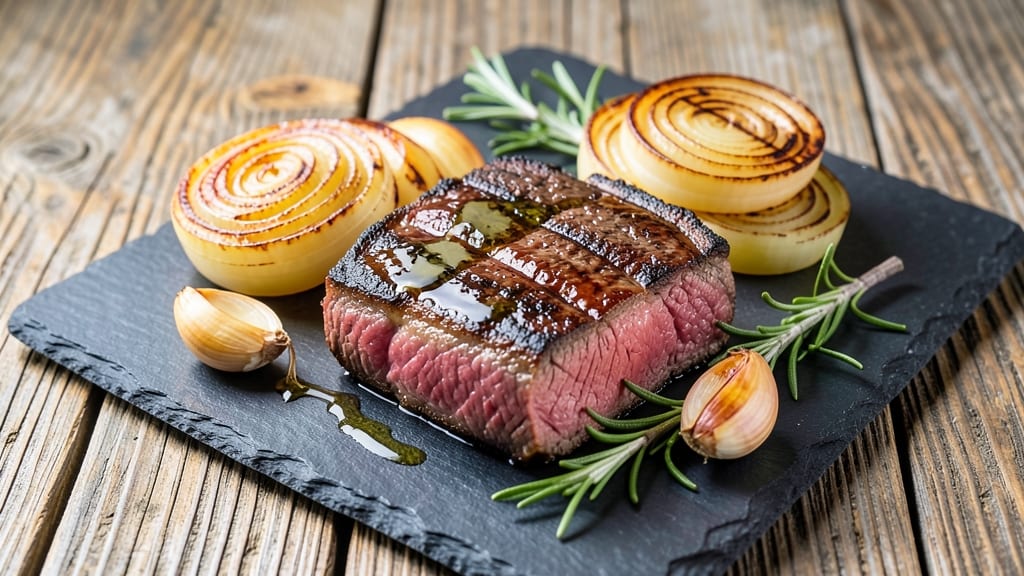
This Angus beef London broil recipe delivers the perfect balance of a crispy, caramelized crust and juicy, tender centers—exactly what makes this cut legendary. The reverse-sear method ensures even cooking while preserving moisture, transforming tougher muscle fibers into melt-in-your-mouth perfection.
I’ve refined this technique over years of grilling, and the results speak for themselves: a steak so flavorful it becomes the star of any dinner table.
The secret lies in low-and-slow cooking followed by a high-heat sear, which locks in juices and creates that coveted crust. You’ll start with a salt-and-pepper rub (no fancy marinades needed) and finish with a quick broil or grill to build flavor and texture.
This method works equally well on the grill, in a skillet, or even with a sous vide finish for extra precision.
What you’ll end up with is a steak that’s impossible to resist—sliced against the grain for maximum tenderness, with a crust so rich it practically melts in your mouth.
The reverse sear ensures medium-rare or medium doneness without drying out the meat, and the resting time guarantees every bite stays juicy. Serve it with classic sides like roasted potatoes or a fresh garden salad to let the steak shine.
This recipe isn’t just about technique—it’s about confidence. Whether you’re grilling for a special occasion or a casual weeknight dinner, the reverse-sear method guarantees restaurant-quality results every time. Let’s get started on the perfect steak.
Ingredients for angus beef london broil
The foundation for restaurant-quality London broil—where premium beef meets precision technique.
| Ingredient | Amount | Notes |
|---|---|---|
| Angus Beef London Broil 🥩 | 2 ½ lb | Center-cut, 1.5-inch thick slices |
| Kosher Salt 🧂 | 1 ½ tbsp | Diamond Crystal preferred, coarse grain |
| Freshly Ground Black Pepper 🌶️ | 1 ½ tsp | Freshly cracked for optimal flavor |
| Extra-Virgin Olive Oil 🫒 | 2 tbsp | High-quality, fruity variety |
| Yellow Onion 🧅 | 1 whole | Thinly sliced for garnish |
| Garlic Cloves 🧄 | 4 cloves | Minced for finishing rub |
| Fresh Rosemary 🌿 | ½ tsp | Finely chopped, fresh preferred |
| Fresh Thyme 🌿 | ½ tsp | Finely chopped, fresh preferred |
| Unsalted Butter 🧈 | ½ cup | Cold, cubed for basting |
| Balsamic Vinegar 💧 | 1 tbsp | For finishing drizzle |
| Fresh Parsley 🌿 | ¼ cup | Chopped, for garnish |
The Angus beef is non-negotiable here. Seek out center-cut London broil from a trusted butcher or high-end grocery store like Whole Foods or Dartmouth Farms, where the marbling is generous and the cut is consistently even. Thickness matters—1.5-inch slices ensure proper reverse-sear execution. If buying whole, trim excess fat to ¼-inch thickness for cleaner cooking. The reverse-sear method transforms this tougher cut into melt-in-your-mouth perfection by first cooking it low-and-slow to tenderize before finishing with a high-heat crust.
No Diamond Crystal salt? Morton kosher salt works, but adjust to taste—it’s finer. Fresh herbs are ideal, but dried rosemary and thyme at half the amount suffice in a pinch. For the olive oil, California avocado oil holds up better to high heat if you prefer. The butter should be cold and cubed—this prevents premature melting during the low-temperature phase. Prep your steak 1 hour before cooking to let the seasoning penetrate deeply. If short on time, a 30-minute dry brine (salt only) still yields excellent results.
Store raw beef on the lowest shelf of the fridge to prevent cross-contamination. Once cooked, keep steaks wrapped in parchment paper for up to 3 days—reheat gently in a skillet to restore juices. For longer storage, vacuum-seal portions and freeze for up to 3 months. The reverse-sear method rewards patience: rest the steak 10 minutes before slicing to ensure perfect doneness. Garnish with balsamic reduction (simmer 1 tbsp balsamic + 1 tsp honey) for an elegant finish.
Why You'll Love This Recipe
- Two-Ingredient Magic: I swear by this—just salt, pepper, and that rich Angus beef. No fancy marinades, no stress. The meat practically cooks itself while you slice onions (which, honestly, is the hardest part).
- Crispy-Perfect Edge: That golden crust from the olive oil and salt? It’s the kind of texture that makes you pause mid-bite. The inside stays juicy, but the outside? Pure satisfaction—like a steakhouse bite at home.
- Game for Any Night: Serve it sliced over toast with caramelized onions for a lazy Sunday brunch, or pile it onto buns for a quick weeknight dinner. My kids beg for it even when I’m too tired to do much.
- Leftovers? Still a Win: The second day, I shred it into tacos or toss it into a pasta. Angus beef stays tender, so it’s forgiving—no dry, sad meat here. Plus, it stretches further than you’d think, saving me money without sacrificing flavor.
Step-by-step instructions for perfectly reverse-seared Angus beef London broil
Master this technique for a restaurant-quality steak with a flawless crust and tender interior every time.
Prepare and Season the Beef for Even Cooking
Remove the 2.5 lb Angus Beef London Broil from the refrigerator and let it sit at room temperature for 30 minutes. This ensures even cooking throughout. Pat the meat completely dry with paper towels—this step is critical for achieving that perfect crust later. Any moisture on the surface will prevent proper browning.
In a small bowl, combine the 1.5 tbsp Kosher Salt and 1.5 tsp Freshly Ground Black Pepper. Rub this mixture generously over all sides of the beef, pressing it into the meat so it adheres well. The salt will begin to penetrate the surface, enhancing flavor and helping to create that coveted crust. Let the seasoned beef rest uncovered for another 15 minutes while you prepare your cooking equipment.
Reverse-Sear the Beef to Perfection
Preheat your oven to 250°F. Place the seasoned beef on a wire rack set inside a rimmed baking sheet. This allows heat to circulate evenly around the meat. Bake for 45-50 minutes, or until the internal temperature reaches 115°F on a meat thermometer. You'll know it's ready when the center is just beginning to warm through but remains cool to the touch.
While the beef is baking, prepare your searing station. Heat a heavy skillet over high heat until it's smoking hot. Add the 2 tbsp Extra-Virgin Olive Oil and let it shimmer for 1 minute. The high heat is essential for creating that beautiful crust through the Maillard reaction.
Create the Signature Crust Through Searing
Remove the beef from the oven and increase the oven temperature to 450°F. Working quickly, place the beef in the hot skillet and sear for 2-3 minutes per side, until a deep golden-brown crust forms. You'll see the edges begin to crisp—that's your signal to flip carefully using a pair of tongs. The crust should be firm to the touch and release easily from the pan.
For extra flavor, add the 0.5 cup Unsalted Butter to the skillet during the last 30 seconds of searing. The butter will foam and baste the beef, adding richness and helping to create a glossy finish. Transfer the beef to a cutting board and let it rest for 10 minutes before slicing—this allows the juices to redistribute throughout the meat.
Prepare the Herb and Balsamic Garnish
While the beef rests, prepare the garnish. In a small bowl, combine the 1 whole Yellow Onion (thinly sliced), 4 cloves Garlic Cloves (minced), 0.5 tsp Fresh Rosemary (finely chopped), and 0.5 tsp Fresh Thyme (finely chopped). This aromatic blend will complement the rich flavors of the beef beautifully.
In a separate small bowl, whisk together the 1 tbsp Balsamic Vinegar and 0.25 cup Fresh Parsley (chopped). This bright, acidic drizzle cuts through the richness of the beef and adds a touch of elegance to the presentation. Keep these components warm until ready to serve.
Slice and Serve with Confidence
After the 10-minute rest, slice the beef against the grain into ¼-inch thick slices. The meat should be medium-rare with a perfect pink center and a crust that's crispy yet tender. Arrange the slices on a warm platter and spoon the herb mixture over the top.
Drizzle the balsamic-parsley mixture generously over the beef and serve immediately. The combination of the crisp crust, tender interior, and aromatic garnish creates a truly memorable dining experience. Each bite should deliver perfect texture and depth of flavor, making this technique well worth the effort.
Pro Tips For Making Angus Beef London Broil
- CRANK THE HEAT FIRST: That first sear is where flavor happens—get your pan screaming hot before adding the oil. I used to rush this, and my steaks ended up greasy instead of caramelized. Two minutes of waiting for the smoke to rise makes all the difference for that perfect crust.
- SALT THE MEAT 40 MINUTES EARLY: Don’t wait until the last second—season the steak generously with kosher salt and let it sit uncovered on a plate. This isn’t just about flavor; it’s about drawing out moisture so the crust forms properly. (Yes, even if you’re impatient like me.)
- SKIP THE OVERCROWDING: London broil is thick—don’t stack onions or other veggies on top while cooking. They’ll steam instead of brown, and your pan won’t get hot enough to sear the beef properly. Give that steak space to breathe and develop that golden crust.
- USE A MEAT THERMOMETER: London broil is forgiving, but medium-rare (130°F internal) is where it shines. Guessing leads to dryness or undercooked centers. I learned this after slicing into a chewy mess—now I pull it out at 125°F and let it rest. (Your knife will thank you.)
Regional styles of angus beef london broil
Texas-Style Smoked Broil
In Texas, London broil is often elevated with smoked flavors—think hickory or oak wood paired with a spice rub that includes 1 tsp smoked paprika and ½ tsp garlic powder.
After the reverse-sear, finish the beef on a smoker at 225°F for 10 minutes to infuse that signature smoky aroma. Serve with white cheddar cornbread and pickled jalapeños for a true Lone Star twist. 🌶️
Italian-Inspired Herb Crust
For an Italian-inspired take, swap the garlic and rosemary for fresh oregano and basil, then add a layer of mozzarella cheese during the final sear. The cheese melts into a golden crust, creating a caprese-style London broil.
Pair with roasted garlic mashed potatoes and a Chianti reduction drizzle. This method works especially well if you’re using a cast-iron skillet for the sear.
Argentinian Chimichurri Finish
Take your London broil to South American heights with a chimichurri sauce—blend ½ cup parsley, 2 tbsp red wine vinegar, 3 tbsp olive oil, 1 clove garlic, and ½ tsp red pepper flakes.
After slicing, drizzle generously over the steak and serve with grilled asparagus and crusty bread. The bright, herby sauce cuts through the richness beautifully. 💛
French Bistro Twist
For a French bistro-inspired version, sear the beef in duck fat instead of butter, then finish with a red wine reduction made from 1 cup red wine, 1 shallot, and 1 tbsp butter.
Garnish with fresh thyme sprigs and serve with ratatouille or creamy polenta. This method adds a luxurious depth of flavor that’s perfect for a special occasion.
Caribbean Jerk London Broil
Bring bold Caribbean flavors to your steak with a jerk marinade—combine 2 tbsp jerk seasoning (store-bought or homemade), 1 tbsp lime juice, and 1 tbsp honey. After the reverse-sear, grill the beef over charcoal for an extra smoky kick.
Serve with mango salsa and coconut rice for a tropical-inspired feast. This variation is perfect for summer gatherings! 🌴
Nutrition facts
Frequently asked questions
Why does the recipe call for a reverse-sear method instead of grilling directly?
The reverse-sear method is perfect for London broil because it transforms tougher muscle fibers into tender perfection. Starting at 250°F gently cooks the center while the high-heat sear creates that coveted crust. This ensures medium-rare doneness without drying out the meat—something direct grilling can struggle with for thicker cuts.
Can I substitute another cut of beef if I can't find London broil?
Yes! Use ribeye or sirloin (1.5-inch thick) as direct substitutes—they benefit equally from reverse-searing. For flank steak, slice against the grain after cooking to maximize tenderness. Avoid lean cuts like top round as they dry out more easily during low-temperature cooking.
How do I know when the steak is done during the low-temperature bake?
Use a meat thermometer! The steak should reach 115°F internally—this is your "starting point" before searing. For medium-rare, it'll end up around 130-135°F after the high-heat finish. The center should still feel slightly cool to the touch when removed from the oven.
What's the best way to slice London broil to maximize tenderness?
Always slice against the grain—look for the muscle fibers and cut perpendicular to them. For London broil, this means cutting at a 45-degree angle to the original shape. Use a sharp knife and make ¼-inch thick slices for the most tender results. Never slice with the grain!
Can I make this recipe in a cast-iron skillet instead of the oven?
For a stovetop reverse-sear: Sear the steak on all sides over medium-high heat until browned, then reduce heat to 225°F and cook covered until internal temp reaches 115°F (about 30-40 minutes). Finish with a high-heat sear. This works best on the stovetop with a lid or in a covered skillet.