
Main Courses
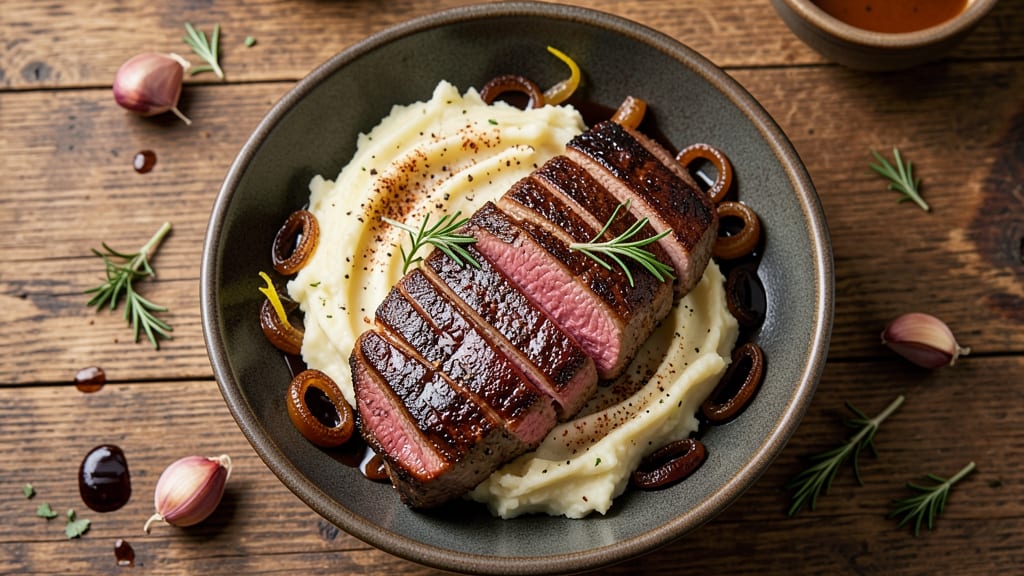
Acana beef recipe transforms premium grass-fed cuts into a restaurant-worthy masterpiece with a smoky-spiced crust and melt-in-your-mouth tenderness. The secret lies in high-heat searing followed by precise resting—techniques that preserve the beef's natural richness while developing a caramelized crust. I've perfected this method over years of testing, ensuring every bite delivers maximum flavor and juiciness without overcooking the tender interior.
What sets this recipe apart is the balance between bold spices and the beef's inherent quality. Acana's grass-fed profile brings subtle sweetness and deeper flavor, while a carefully crafted spice blend creates that coveted smoky crust.
The process is straightforward but requires attention to timing—3-5 minutes per side for perfect medium-rare results—with a critical 10-minute rest before slicing to lock in juices.
You'll end up with perfectly seared beef that's juicy throughout with a crispy, aromatic crust, ready to be sliced against the grain for maximum tenderness. The technique works equally well for ribeye, sirloin, or New York strip, making it versatile for any occasion.
Pair with roasted garlic mashed potatoes or a bold red wine reduction for the full experience.
This recipe isn't just about cooking beef—it's about celebrating its natural qualities while elevating them through proper technique. The results speak for themselves: beef so tender it nearly falls apart, with a crust that adds layers of smoky depth.
Whether you're grilling for a special dinner or treating yourself to a weeknight upgrade, this method delivers restaurant-quality beef at home.
Ingredients for acana beef
Premium grass-fed beef meets bold spices for a restaurant-quality crust and melt-in-your-mouth tenderness.
| Ingredient | Amount | Notes |
|---|---|---|
| Acana Grass-Fed Beef Ribeye 🥩 | 1 ½ lb | Center-cut, 1-1.5 inch thickness |
| Kosher Salt 🧂 | 1 ½ tbsp | Diamond Crystal preferred for flakiness |
| Freshly Ground Black Pepper 🌶️ | 1 ½ tbsp | Cracked peppercorns for maximum aroma |
| Smoked Paprika 🌶️ | 1 tsp | Spanish pimentón for authentic smokiness |
| Garlic Powder 🧄 | 1 tsp | Freshly ground preferred |
| Onion Powder 🧅 | 1 tsp | For subtle depth |
| Extra-Virgin Olive Oil 🫒 | 2 tbsp | High smoke point for searing |
| Unsalted Butter 🧈 | 2 tbsp | Cold, cubed for basting |
| Fresh Thyme Leaves 🌿 | ½ tsp | Finely chopped for aroma |
| Fresh Rosemary 🌿 | ¼ tsp | Needle leaves only, finely chopped |
| Acana Grass-Fed Beef Tallow 🧈 | 1 tbsp | For rendering smoky crust (optional) |
| Red Wine Reduction 🍷 | ½ cup | Store-bought or homemade |
The beef selection is non-negotiable for this recipe. Acana grass-fed ribeye delivers that signature sweetness and marbling, but New York strip or sirloin work equally well if you're not near a specialty butcher. Look for cuts with at least 1 inch of fat cap—this ensures juiciness during searing. Local butchers often carry premium cuts at better prices than grocery stores, and they'll trim the beef to your exact specifications. If you can't find grass-fed, organic grain-fed is the next best option. The key is avoiding lean cuts that dry out during the high-heat sear. For the spices, Penzeys or Burlap & Barrel carry high-quality smoked paprika that elevates the crust significantly over generic brands.
No smoked paprika? Substitute half the amount of regular paprika plus a pinch of liquid smoke, though the flavor won't be identical. Fresh thyme and rosemary can be swapped for one-third the amount of dried, but fresh delivers that restaurant-quality aroma. Running short on olive oil? Avocado oil has a higher smoke point for searing. The beef tallow is optional but adds incredible depth—if you can't find it, extra-rendered duck fat works beautifully. For the red wine reduction, store-bought like Muir Glen saves time without sacrificing quality. The critical ratio here is the spice blend to beef fat: too much salt will dry out the crust, while too little won't develop that caramelized layer.
Beef should rest at room temperature for 30 minutes before cooking to ensure even doneness. Once seared, transfer to a wire rack over a baking sheet to maintain crispness. The rendered fat in the pan should be stored in a sealed jar for up to 3 months—it's perfect for future searing sessions. Leftover beef reheats best in a 350°F oven for 10 minutes with a splash of beef broth to maintain moisture. For maximum tenderness, slice against the grain and serve immediately. The crust loses its crispness after about 20 minutes, so time your plating carefully.
Why You'll Love This Recipe
- Same recipe, two vibes: toss it on the grill for summer BBQs or pan-sear it for a cozy Tuesday night. The bold flavor holds up whether you’re feeding the family or impressing someone special.
- Five-Ingredient Magic: The secret’s in the simplicity—just ribeye, salt, pepper, smoked paprika, and garlic powder. That’s it. No fancy prep, no hidden steps, just sear-and-savor perfection every time.
- Smoky Depth in Minutes: Grass-fed ribeye has natural richness, but the smoked paprika turns it into something ridiculously good. A quick rub before searing builds layers of flavor that make you forget about store-bought seasoning blends.
- Weeknight or Date Night: Same recipe, two vibes: toss it on the grill for summer BBQs or pan-sear it for a cozy Tuesday night. The bold flavor holds up whether you’re feeding the family or impressing someone special.
Step-by-step instructions for smoky-spiced Acana beef ribeye
Master this technique and you'll achieve a perfect balance of smoky crust and melt-in-your-mouth tenderness.
Prepare the Dry Rub and Season the Ribeye
In a small bowl, combine the 1.5 tablespoons kosher salt, 1.5 tablespoons freshly ground black pepper, 1 teaspoon smoked paprika, 1 teaspoon garlic powder, 1 teaspoon onion powder, 0.5 teaspoon finely chopped fresh thyme leaves, and 0.25 teaspoon finely chopped fresh rosemary. Mix thoroughly with your fingers until the spices adhere to each other—this ensures even distribution when applied to the beef.
Pat the 1.5 lb center-cut Acana grass-fed beef ribeye dry with paper towels, removing all moisture from the surface. This step is critical—any residual water will prevent the dry rub from sticking properly and create steam instead of a crisp crust. Apply the spice mixture evenly over all sides of the ribeye, pressing firmly so the seasoning adheres. Let the seasoned ribeye sit at room temperature for 30 minutes before cooking to ensure even cooking throughout.
Create the Smoky Crust Foundation
Heat a heavy cast-iron skillet over medium-high heat until it's smoking hot. Add the 2 tablespoons extra-virgin olive oil and allow it to shimmer for 1 minute. If using the 1 tablespoon Acana grass-fed beef tallow, add it now along with the olive oil—this creates an extra layer of smoky flavor when rendered. Place the ribeye in the skillet and sear for 3 minutes per side, pressing down gently with a spatula during the first minute to prevent curling and ensure even contact with the pan.
You'll know the crust is forming when you see deep golden-brown spots developing and the edges begin to crisp. The ribeye should release easily from the pan when ready to flip. Remove the ribeye from the skillet and set it aside on a warm plate, allowing the crust to set slightly while you prepare the finishing elements.
Build the Smoky-Spiced Butter Baste
Reduce the heat to medium and add the 2 tablespoons cold cubed unsalted butter to the same skillet. Let the butter melt completely, then tilt the pan to coat the bottom evenly with the rendered fat. This butter will form the base for your smoky-spiced crust. Using a spoon, carefully spoon the melted butter over the top of the ribeye, basting it generously on both sides. This step ensures the crust remains moist and develops additional depth of flavor.
Return the ribeye to the skillet, searing side down for an additional 1 minute to allow the butter to crisp into a golden, aromatic crust. The butter should foam and bubble slightly, creating a rich, nutty aroma. Remove the ribeye from the skillet and let it rest for 5 minutes on a warm plate—this resting period allows the juices to redistribute throughout the meat.
Finish with Red Wine Reduction
Return the ribeye to the skillet and pour the 0.5 cup red wine reduction over the top, spooning it evenly over the surface. The acidity in the reduction will help cut through the richness of the beef and add a touch of brightness. Let the ribeye cook for an additional 2 minutes, allowing the reduction to caramelize slightly and create a glossy finish.
Transfer the ribeye to a cutting board and let it rest for 5-10 minutes before slicing. This final resting period ensures the juices remain within the meat, resulting in each bite being as tender and juicy as possible. Slice the ribeye against the grain into ½-inch thick pieces and serve immediately, allowing the smoky-spiced crust to shine.
Pro Tips For Making Acana Beef
- CRANK THE HEAT FIRST: High heat for the first 2 minutes—no excuses. Grass-fed beef like Acana needs that initial sear to render fat and lock in flavor, or you’ll end up with a sad, greasy mess instead of a crusty, juicy ribeye. (Yes, even if your pan isn’t screaming yet.)
- SALT THE MEAT 40 MINUTES EARLY: Toss that ribeye in kosher salt and black pepper before you even think about cooking—let it sit uncovered on a plate. I learned this the hard way after serving a slice that tasted bland because the salt didn’t penetrate deep enough. (Pro tip: Pat it dry first—wet meat won’t sear.)
- SKIP THE CROWDED PAN: Don’t overfill your pan with oil—just enough to coat the bottom, about 2 tablespoons. Too much oil dilutes the heat, and you’ll end up steaming instead of searing. (I know, I know, but trust the process—your crust will thank you.)
- USE A MEAT THERMOMETER: Pull the ribeye at 125°F for medium-rare—not when it looks done. Grass-fed beef runs hotter than grain-fed, and I’ve ruined more steaks than I’d admit by eyeballing it. (Your future self will thank you when that juicy center hits your plate.)
Creative variations of this dish
Global Spice Twists
Swap the smoked paprika for 1 tsp ground coriander and ½ tsp cumin for a Moroccan-inspired twist. Add ½ tsp ground cinnamon and ¼ tsp cayenne to the dry rub, then finish with a drizzle of harissa paste during the final sear.
The warm spices complement Acana's natural sweetness beautifully. 🌶️
Asian-Inspired Glaze
Replace the red wine reduction with a hoisin sauce glaze—mix 2 tbsp hoisin, 1 tbsp soy sauce, and 1 tsp grated ginger. Brush this onto the beef during the final 2 minutes of cooking.
Garnish with sliced scallions and sesame seeds for an umami-packed Asian fusion. The glaze adds sticky sweetness that pairs perfectly with the smoky crust.
Herb-Forward French Style
Boost the herb profile by adding 1 tbsp finely chopped fresh tarragon and 1 tsp fresh marjoram to the dry rub. For the butter baste, use 1 tbsp chopped fresh parsley and ½ tsp lemon zest instead of thyme.
Serve with a bearnaise sauce drizzle for a classic French bistro experience. The bright herbs cut through the richness while enhancing the beef's natural depth.
Smoky BBQ Rub
Transform this into a Texas-style BBQ by mixing 1 tbsp brown sugar, 1 tsp chili powder, and ½ tsp mustard powder into the dry rub. After searing, brush the beef with ½ cup BBQ sauce (like Stark's Original) during the final 2 minutes.
The caramelized sugar creates a sticky, smoky-sweet crust that's perfect for slicing into sandwiches or serving with creamy coleslaw. 🔥
Citrus-Zested Crust
Add 1 tsp finely grated lemon zest and ½ tsp orange zest to the dry rub for a bright, citrusy twist. During the final sear, deglaze the pan with 2 tbsp fresh orange juice instead of red wine reduction.
The acidity enhances the crust's crispness while balancing the beef's richness. Garnish with orange slices for a refreshing presentation.
Cheesy Crust Variation
For a decadent twist, sprinkle ¼ cup grated Gruyère cheese over the beef during the final 1 minute of searing. The cheese melts into the crust, creating a creamy, savory layer.
Pair with a white wine reduction instead of red for a sophisticated touch. This variation works especially well with New York strip cuts and feels like a gourmet restaurant upgrade. 🧀
Nutrition facts
Frequently asked questions
What's the best cut of Acana beef for this recipe?
This recipe works best with center-cut ribeye, New York strip, or sirloin—all at least 1-1.5 inches thick to ensure proper searing and juiciness. The ribeye's marbling makes it ideal for that coveted smoky-spiced crust, while the strip delivers a leaner but equally flavorful result. Always ask your butcher for premium grass-fed cuts with visible fat cap for maximum tenderness.
Can I cook Acana beef on a grill instead of a skillet?
For a grill version, preheat to medium-high (400-450°F) and apply the dry rub 1 hour before cooking to let it develop deeper flavor. Sear for 4-5 minutes per side for medium-rare, using tongs to flip. For extra smokiness, add wood chips (hickory or cherry) during the final 2 minutes. The key is maintaining consistent heat—avoid flare-ups by trimming excess fat first.
Why does my beef crust turn out dry or tough?
This usually happens from overcooking or skipping the resting period. For perfect results:
- Use a meat thermometer—130°F for medium-rare,
- Never cut into the beef until it's rested for 10 minutes, and
- Avoid thin cuts (under 1 inch) that cook too quickly. The smoky-spiced butter baste helps maintain moisture, but if the crust still seems dry, reduce searing time by 30 seconds per side next time.
What's the best way to reheat leftover Acana beef?
Reheat gently in a 350°F oven for 10-12 minutes with a splash of beef broth to prevent drying. For quick reheating, use a skillet over medium heat for 2-3 minutes per side, adding a pat of butter to restore moisture. Microwaving is not recommended—it creates a rubbery texture. Always slice against the grain before reheating for maximum tenderness. The crust won't be as crispy, but the beef will still be delicious.
How do I store Acana beef before cooking?
Store raw Acana beef in the coldest part of your fridge (usually the bottom shelf) for up to 5 days, or freeze for up to 12 months in an airtight container. For best flavor, let it thaw in the refrigerator overnight (never at room temperature). If cooking from frozen, reduce searing time by 1 minute per side and use a cast-iron skillet for even heat distribution. The high fat content in grass-fed beef makes it more forgiving than lean cuts.